
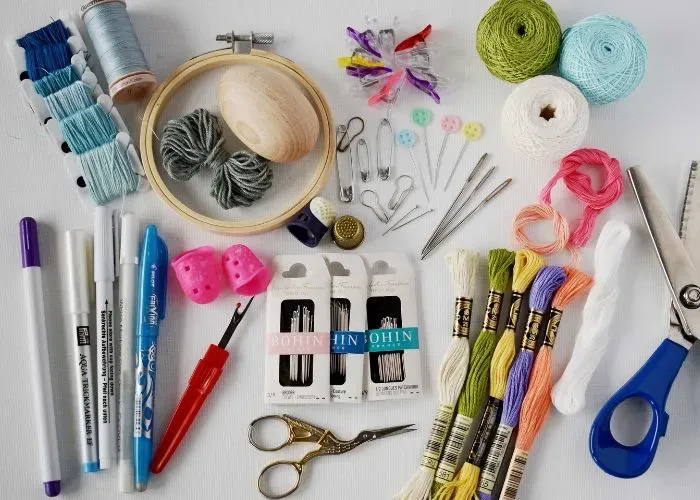
Essential tools and materials for embroidered design form the foundation of a successful stitching project. With the right embroidered design tools, you’ll keep fabric taut, select the correct needle, and control tension for crisp lines. Having dependable embroidery supplies and hand embroidery tools reduces frustration and improves consistency across your work. For beginners, a well-chosen beginner embroidery kit provides the essentials you need to start confidently. By understanding embroidery materials—from fabrics and threads to stabilizers and backing—you set the stage for durable, beautiful results.
Viewed from a wider lens, these items form a stitching toolkit that supports any fiber arts project. The right gear—from sturdy frames to sharp needles—lets you work with different fabrics and threads with confidence. A practical approach is to think in terms of embroidery supplies, hand embroidery tools, and a growing savings plan for your beginner embroidery kit as you explore new stitches. As you progress, you’ll swap in specialized embroidery materials and equipment to match your evolving style and technique.
Essential tools and materials for embroidered design: Starter checklist
Having the right set of essential tools and materials for embroidered design is the foundation of precision. A well-curated collection improves rhythm, reduces interruptions, and helps you achieve crisp stitches over time.
Your starter kit should include core items like an embroidery hoop, a selection of needles, sharp scissors, thread, marking tools, stabilizers, and backing. These embroidery materials, together with reliable hand embroidery tools, keep your project moving smoothly from pattern transfer to final finishing.
The core set: embroidery tools that stabilize stitches
The core set focuses on stabilizing your work. A sturdy hoop or frame keeps fabric taut and minimizes distortion during long stitches, which is essential for even tension across the design.
Pair the frame with the right needles—crewel for wool and open-work fabrics, tapestry or sharps for cottons and finer fabrics—and a clean pair of scissors. When you choose quality embroidery supplies, you improve tension consistency and reduce snagging, giving you cleaner lines.
Choosing embroidery supplies for different fabrics and projects
Choosing embroidery supplies for different fabrics means considering weave, weight, and fiber. Linen and cotton behave differently than Aida cloth, so your tool choice should reflect the technique you’re pursuing.
Think about stabilizers and backing for your fabric. For delicate or loose-weave fabrics, stabilizers prevent puckering, while fabric prep and interfacing help with stability. The right embroidery materials support your chosen stitches and finish.
Beginner embroidery kit: jumpstart your creativity
A beginner embroidery kit offers a curated path into the craft, bundling essential items for newcomers. Look for kits that provide a hoop of a comfortable size, a starter thread set, multifunction needles, and a simple pattern.
Beyond the basics, a good kit often includes practice fabric, a color key, and basic stitches instructions. Using a beginner embroidery kit shortens the learning curve and helps you build confidence before expanding your toolkit with more embroidery supplies and specialized tools.
Organizing and maintaining embroidery materials and tools
Organizing your embroidery materials and tools streamlines your process and reduces waste. A dedicated storage system for threads, needles, and patterns keeps everything within reach and ready for your next project.
Regular maintenance, such as cleaning scissors and oiling moving parts on frames when recommended, extends tool life and preserves quality. Clear labeling and a simple inventory also help you track what you own and what to upgrade in your embroidery materials.
Advanced techniques: investing in higher-quality tools and premium materials
Advanced techniques demand precision tools and thoughtful investment. Upgrading to higher-quality hand embroidery tools and premium embroidery materials can yield smoother stitches and richer color.
A sharper needle, a better hoop, and superior threads can dramatically affect stitch uniformity, shading, and finish. As you practice, you’ll learn which brands and weights best match your style and projects, reinforcing the value of ongoing attention to your embroidered design tools.
Frequently Asked Questions
What are the essential tools and materials for embroidered design that a beginner should start with, and how does a beginner embroidery kit help?
For beginners, start with a comfortable embroidery hoop, a small selection of needles (crewel, tapestry), sharp embroidery scissors, a thread snip, a needle threader, a thimble, marking tools (water-soluble pen), a ruler, and basic fabric and threads. A beginner embroidery kit bundles these essentials, simplifying setup and letting you practice core stitches right away.
Which embroidery supplies and hand embroidery tools are most valuable when compiling essential tools and materials for embroidered design?
Prioritize a taut hoop, sharp scissors, a versatile needle set (crewel, sharps, tapestry), thread snips, reliable marking tools, good lighting, and a starter range of embroidery threads. These hand embroidery tools and embroidery supplies support cleaner stitches and faster progress across projects.
What should I look for in a beginner embroidery kit as part of essential tools and materials for embroidered design?
Look for a hoop of comfortable size, a color-mixed thread set, assorted needles for different fabrics, a simple pattern or guide, and a few pre-cut fabrics. Clear instructions and compact storage boost early success in embroidered design.
How do embroidery materials influence the look and durability of embroidered design?
Fabric type, thread weight and type, stabilizers, and backing shape stitch definition and longevity. Linen or cotton with a stable weave gives crisp stitches; stabilizers prevent puckering; pre-washing fabric improves durability and finish of embroidered design.
What are the best hand embroidery tools and embroidery supplies to ensure durable results in embroidered design?
Choose a sturdy hoop, sharp scissors, a versatile needle set, a needle threader, and a thimble, plus reliable marking tools. Pair with quality embroidery threads, appropriate stabilizers, and tidy storage to support durable results in embroidered design.
How can I assemble an affordable but reliable set of essential tools and materials for embroidered design?
Start with an affordable beginner embroidery kit that covers the basics, then upgrade gradually. Focus on a durable hoop, dependable scissors, a versatile needle set, and a small range of embroidery threads, adding stabilizers and a simple guide as you progress to build a balanced embroidered design toolkit.
| Category | Key Points | Examples / Items |
|---|---|---|
| Tools | A well-rounded toolkit supports grip, control, marking, cutting, needlework, and workspace organization. |
|
| Materials | Fabric, threads, stabilizers, backing, and prep materials influence stitch quality and durability. |
|
| Quality vs Budget | Balance cost with durability and comfort; beginner kits can jump-start practice. |
|
| Practical Setup | Organized workspace with good lighting and accessible, tested materials speeds progress. |
|
| Care & Maintenance | Regular maintenance keeps tools performing and fabrics lasting. |
|
| Starter Pack | A beginner-friendly pack helps you practice basic stitches confidently. |
|
| Advanced Techniques | Tools quality affects stitch uniformity, tension, and final appearance as you progress. |
|
| Putting It All Together | Follow practical steps from goal to finished piece, ensuring tools and materials are ready. |
|
Summary
Essential tools and materials for embroidered design provide a practical, organized path from idea to finished piece. The journey begins with choosing the right embroidery supplies and hand embroidery tools, selecting suitable fabrics and stabilizers, and maintaining a clean, optimized workspace. As you gain experience, you may refine your toolkit, expand your embroidery materials, and explore advanced stitches and decorative techniques. By starting with the basics, investing in reliable items, and gradually upgrading, you’ll enhance stitch quality, speed, and enjoyment of your embroidery projects.