
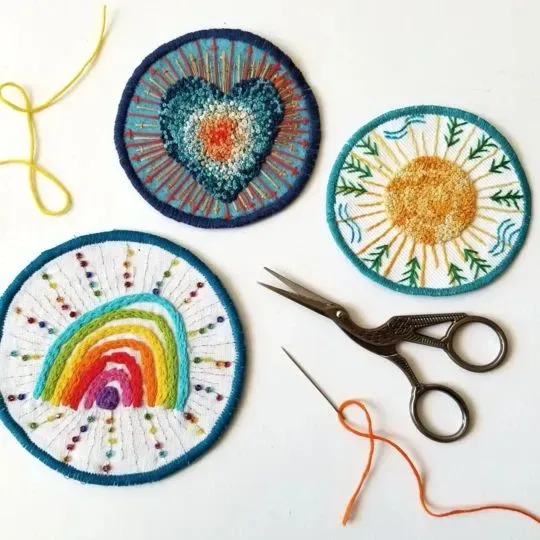
DIY Embroidered Patches offer a delightful way to transform plain clothing into personal statements. When you take on patch making at home, you control the design, colors, and size, turning any fabric into a canvas. Whether you want a playful motif for a kid’s jacket, a subtle badge for a backpack, or a bold emblem for a denim jacket, this project offers creative freedom. This guide covers technique basics and finishing tips to ensure durability and a polished look. By the end, you’ll feel confident to begin your own patch projects with a clear plan and a method that lasts.
Beyond the official name, this craft translates into handmade patches—small fabric emblems stitched to jackets, bags, and jeans that personalize everyday garments. Think of them as customizable badges created through at-home sewing projects, where you plan the motif, choose colors, and decide on edging and backing. Whether you use iron-on backs or sew-on finishes, this creative technique blends textile art with practical durability for wearable, durable accents. Treat fabric embellishments as a portable canvas for personality, and approach the process from design through finishing with curiosity and patience.
DIY Embroidered Patches: Personalize Your Wardrobe from Home
DIY Embroidered Patches offer a creative, hands-on way to transform plain fabrics into wearable art. By choosing your own motifs, colors, and patch sizes, you control the look and feel of each patch, turning everyday garments into personal statements. This patch making at home approach makes embroidery patches accessible to crafters of all levels, inviting experimentation and self-expression.
With every stitch, you bring texture, depth, and personality to clothing, bags, and accessories. Whether you’re designing a playful motif for a kid’s jacket, a subtle badge for a backpack, or a bold emblem for a denim piece, the process is empowering and enjoyable. Starting a DIY project today means building a method, a color story, and a plan that grows with your patch collection.
Materials and Tools for Patch Making at Home: A Practical Starter Kit
Getting the right supplies up front makes patch making at home smoother and more enjoyable. Key items include a sturdy fabric base (dense cotton, felt, or twill), a stabilizer to keep stitches stable, an embroidery hoop for taut fabric, and high-quality embroidery floss or stranded cotton threads for vibrant color. These essentials set the foundation for durable, professional-looking embroidery patches.
Add a few optional upgrades to level up your patches: fusible or iron-on backings for easier attachment, a selection of needles for different stitches, sharp scissors, and finishing tools like fray check or a protective spray. Marking tools such as water-soluble pens help you transfer designs without leaving stubborn marks, while a cutting mat or craft knife ensures clean patch edges as you finish.
DIY Patch Design: Planning Color, Shape, and Theme
A strong patch begins with thoughtful design. When you plan your patch, consider size, silhouette, and color balance to ensure the final piece reads clearly from a distance. Sketch ideas on paper first, then decide on a final motif that suits the garment and your personal style. For patch making at home, keeping the color palette to a few main colors helps prevent bleeding and keeps the design cohesive.
Choosing a shape—round, shield, square, or irregular—helps define the patch’s personality and attachment look. Plan your size with practicality in mind; most patches work well between 2 and 4 inches, balancing detail with durability. A clear pattern transfer plan, whether you draw directly or use transfer paper, ensures accurate stitching when you begin the embroidery.
Transferring Your Design: Methods for Accurate Patch Outlines
Transferring the design accurately is crucial for crisp lines and clean edges in your patch making at home. Reliable methods include lightbox or window tracing, tissue paper tracing, print-and-trace from a single-line design, and even direct drawing with water-soluble pens. Each method helps you create a precise guide for stitching and finishing.
Once the pattern is on fabric, you’ll have a clear outline to follow as you sew, which makes the subsequent steps in how to sew patches more predictable and satisfying. A neat transfer reduces edge wobble and helps your final satin stitch or fill stitches stay aligned with the intended shape.
Stitching Techniques for Durable Patches: Building Texture and Longevity
Durable patches rely on thoughtful stitch choices. Backstitch for strong outlines, satin stitch for solid color blocks, long-and-short fill for smooth shading, and split stitch for textured surfaces all contribute to a professional finish. French knots can add tiny focal points, like eyes or accents, while maintaining a cohesive overall look.
Maintaining consistent tension is key to preventing puckering and uneven edges. If you work on dense areas, start from the center and move outward to keep the patch flat. Secure thread tails with knots or bury them under stitches to minimize unraveling, ensuring your embroidery patches withstand daily wear and washing.
Attaching and Caring for Your Patches: Iron-On vs Sew-On Options
Attaching patches firmly is essential for longevity. Iron-on backing provides a quick, clean finish for many fabrics, with a hot iron and brief pressing time often sufficient to secure the patch. When you use iron-on patches, be sure to follow the backing manufacturer’s guidance and allow adequate cooling after adhesion.
If you prefer a more secure attachment, sew-on patches offer lasting durability, especially on denim, canvas, and frequently-washed garments. A tight blanket stitch or tight running stitch around the edge keeps stitches neat and resilient. Caring for patches involves turning garments inside out for washing, using cold water and gentle cycles, and avoiding direct heat on the patch to preserve its coloring and backing.
Frequently Asked Questions
What are DIY Embroidered Patches and how do I start patch making at home?
DIY Embroidered Patches are a fun way to customize clothing by stitching designs onto fabric. To start patch making at home, begin with a design, choose a suitable fabric base (dense cotton, felt, or twill), set up an embroidery hoop, select quality threads, and pick a backing (fusible web or iron-on). A simple plan and clean finishing will help you create durable patches you’ll wear proudly.
What fabrics, stabilizers, and backings work best for embroidery patches in DIY patch making at home?
For patch making at home, use a dense fabric base like cotton, felt, or twill and pair it with a stabilizer (tear-away or cutaway) to keep stitches stable. Use a 3–4 inch embroidery hoop for typical patch sizes, and choose a backing such as fusible web for iron-on patches or a sturdy fabric backing for sew-on patches to match your attachment method.
How do I plan and transfer a DIY patch design before stitching?
A clear patch design plan helps patch making at home. Start by outlining size, shape, and color balance, then transfer the design using a lightbox or window tracing, tissue paper tracing, print-and-trace, or direct drawing with a water-soluble pen. Choosing a simple motif and limiting colors helps ensure clean stitching and a professional look.
What stitches and techniques are recommended for durable DIY Embroidered Patches, and how to sew patches effectively?
Use durable stitches such as backstitch for outlines, satin stitch for filled areas, long-and-short fill for shading, and split stitch for texture. Practice steady tension and work from the center outward to avoid puckering. For extra durability, finish edges with a neat satin border or consider a merrowed edge if your equipment allows. Secure thread tails to prevent unraveling.
What are the differences between iron-on patches and sew-on patches, and how do I attach them?
Iron-on patches (DIY patch design) use a fusible backing and are attached with heat, while sew-on patches require stitching around the edge. For iron-on patches, place the patch on the garment, cover with cloth, and press with a hot iron for 20–40 seconds, then test adhesion. For sew-on patches, sew around the edge with a tight blanket stitch or running stitch for durability and washability.
How should I care for embroidered patches to keep them looking new after patch making at home?
Care for patches by turning garments inside out during washing, using a gentle cold cycle, and avoiding high dryer heat. Air drying helps preserve the patch surface, and if you used a weaker backing, reinforce with additional stitching. Pre-wash fabrics and test heat settings on scraps to protect your embroidery patches over time.
| Aspect | Key Points | Notes / Tips |
|---|---|---|
| Purpose and Benefits | Personalize clothing; design control; creative freedom; durable results | Turns plain fabrics into statements you design yourself. |
| Why patches appeal | Texture, color depth, wearable art; accessible DIY | DIY options let you capture hobbies, quotes, pet portraits, or icons. |
| Materials needed | Fabric base; Stabilizer; Embroidery hoop; Embroidery floss/threads; Embroidery needle; Scissors and craft knife; Backing material; Optional finishing tools; Marking tools | Crucial list; choose dense fabrics; backings vary by method. |
| Designing your patch | Size and shape; Color balance; Limit color count to 3-5; Pattern transfer plan; Simple motif | Plan to coordinate with the garment; start with sketch on paper. |
| Transferring design and preparing fabric | Transfer methods: Lightbox/window tracing; Tissue tracing; Print and trace; Direct drawing | Ensure neat lines; practice transfer methods before stitching. |
| Stitching techniques for durable patches | Backstitch for outline; Satin stitch for filling; Long and short fill; Split stitch; French knot | Maintain constant tension; stitch from center outward for dense areas. |
| Finishing the patch at the edges | Satin stitch edging; Merrowed edge; Raw edge with fray check; Backing choice | Choose method based on desired look and durability. |
| Cutting and attaching the patch to fabric | Cut with 1/8 to 1/4 inch border; Iron-on method; Sew-on method; Pre-wash and test adhesives | Ensure strong attachment; allow backing to cool after iron. |
| Care and maintenance | Turn garment inside out; Gentle cold wash; Air dry; Avoid direct heat; Reinforce patches with extra stitching/backing if needed | Longevity tips for daily wear. |
| Design ideas | Monograms; Nature motifs; Hobby/fandom; Travel patches; Quotes; Color-cohesive sets | Inspire future patches; mix and match across items. |
| Common challenges and troubleshooting | Frayed edges; Uneven stitches; Color bleeding; Puckering | Solutions: fray check, sharper edges, test colors, stabilizers. |
| Beginner tips | Start simple; Practice on scrap; Use hoop and stabilizer; Plan stitching order; Document color combos | Build confidence before complex designs. |
Summary
DIY Embroidered Patches empower you to personalize clothing with handmade flair, turning fabrics into wearable art. This guide covers core steps—from materials and design to transferring patterns, stitching techniques, and finished edges for durable patches. By following practical tips on choosing fabrics, stabilizers, and threads, you can achieve clean outlines, secure fills, and patches that endure daily wear and washing. Start simple, practice on scrap fabric, and gradually build a cohesive patch collection using varied shapes, colors, and motifs. Patch-making at home becomes a rewarding hobby that expands your wardrobe and personal style.