
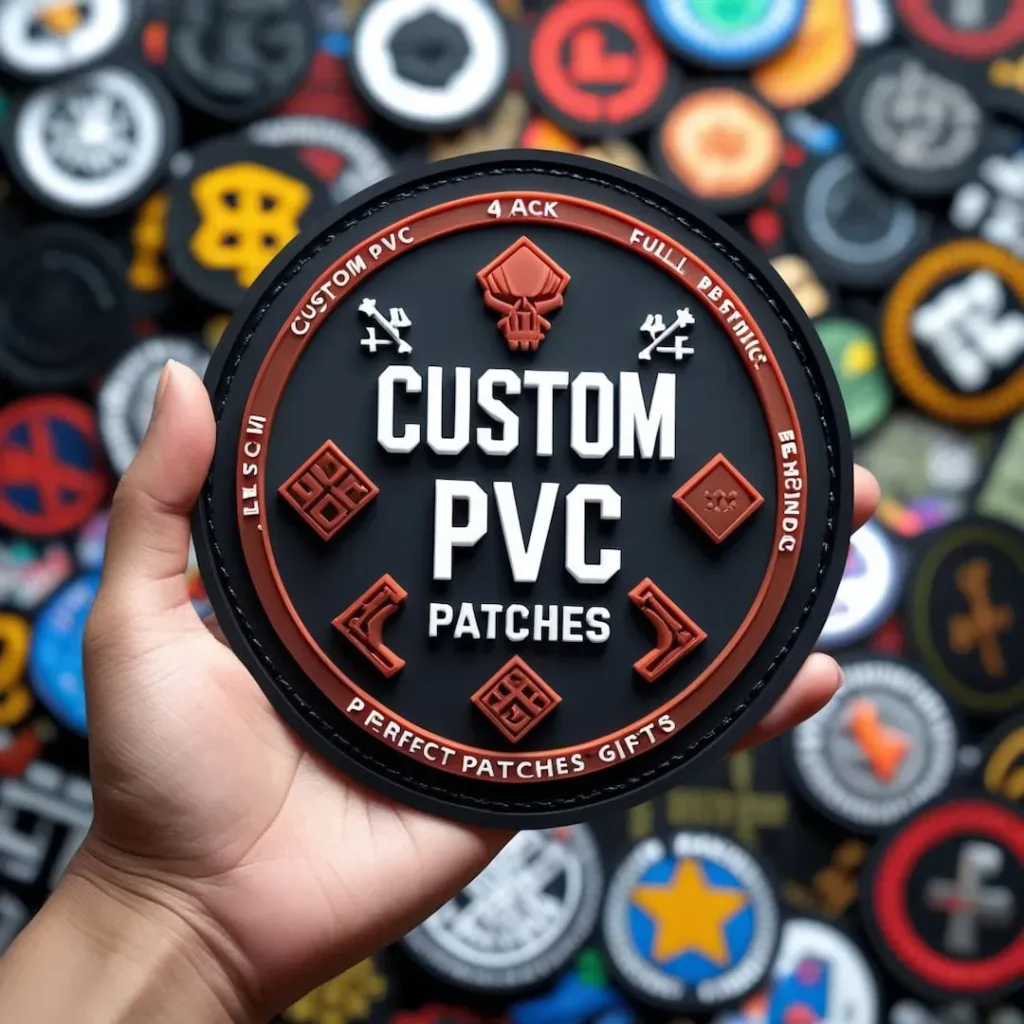
Choosing the right material for custom patches can influence how your design translates to fabric, its durability over time, and the overall cost. The right choice balances appearance, practicality, and budget. PVC patches offer rugged durability and weather resistance suitable for outdoor gear. Consider backing, attachment methods, and care instructions to ensure the patch remains secure after repeated washing. By outlining your priorities—where the patch will be used, how visible you want the logo, and your timeline—you’ll narrow the field to a material that fits your needs.
In other words, choosing a patch material is about pairing fabric badges and embroidered patches with the garment’s use, audience, and care needs. The main families—woven patches and PVC patches—cover a spectrum of texture, detail, and durability. Evaluate backing options, washing frequency, and garment type to guide your selection. A thoughtful approach keeps branding consistent while balancing cost and practicality.
Choosing the right material for custom patches: a practical decision guide
Selecting the material for your patches shapes not only how a design looks but also how it performs in real-life use. Different patch materials bring distinct textures, weight, and durability, influencing cost and care requirements. When you’re outfitting a team, branding a product line, or personalizing uniforms, understanding embroidered patches, woven patches, and PVC patches helps you balance appearance with practicality. In this guide, you’ll see how each option aligns with your design and environment, while keeping an eye on the broader category of custom patch materials and their impact on long-term value.
A practical decision framework starts with purpose and environment. Consider whether the patch will face frequent washing, outdoor exposure, or rough handling, and whether your priority is bold texture, crisp detail, or a flatter silhouette. Evaluate design elements such as small text versus large logos, color accuracy, and edge finishing. Finally, factor in backing compatibility—iron-on patches, sew-on options, or Velcro—and how care instructions may affect longevity. This approach helps you select a patch material that meets both the visual goals and the real-world demands of your project.
Embroidered patches: timeless appeal for bold logos and heritage
Embroidered patches offer a classic, tactile look built from stitched threads and a defined merrow border that crisply outlines the design. They excel at bold color blocks and strong logos, delivering a traditional sense of quality and heritage that many brands and teams value. The layered stitching creates depth and texture that stand up well to regular wear on jackets, caps, bags, and uniforms.
However, embroidery can be less forgiving for very small text or intricate gradients, where fine details may blur or require more lead time. Backing choices—such as iron-on or sew-on—affect application and durability, so it’s important to plan for the garment type and care instructions. Embroidered patches remain a reliable, durable option when a premium, timeless aesthetic is a cornerstone of your branding.
Woven patches: high-detail logos with a sleek, flat finish
Woven patches are created by weaving the design directly into fabric, producing a flatter, crisper image that captures high-detail logos and small text with remarkable fidelity. The result is a modern, refined look that many brands prefer for a contemporary edge without the pronounced texture of embroidery. Because the image is integrated into the weave, woven patches often feel lighter on the garment while maintaining durability.
The trade-off is that some logos may read as slightly less bold than embroidered options, especially at larger sizes where a raised texture would stand out. Weaving density also affects how subtle gradients translate; extremely dense color areas can blur if not carefully planned. For brands seeking a clean, high-detail appearance on corporate uniforms or streetwear, woven patches offer a sophisticated alternative.
PVC patches: rugged durability for outdoor gear and activewear
PVC patches are molded from a rubber-like material to create three-dimensional, highly durable patches. Their raised imagery and bold colors stand up to rugged environments, making them ideal for outdoor gear, motorcycle clubs, and activewear that endures wet conditions and heavy use. The weatherproof nature of PVC patches adds reliability when patches are exposed to the elements or harsh handling.
While their appearance diverges from traditional fabric patches, PVC patches deliver exceptional colorfastness and abrasion resistance. They tend to be heavier and stiffer, which can influence placement on lightweight garments. If your project prioritizes durability and a bold, graphic presence, PVC patches can be the strongest choice, especially in environments where fabric-based patches may struggle.
Backings and attachment methods: choosing iron-on, sew-on, or Velcro
Backings determine how patches attach and how they fare in laundering. Iron-on backing provides a heat-activated adhesive for quick, semi-permanent application and can be convenient for garments that won’t be subjected to aggressive washing. Sew-on backing offers the highest security, ideal for active wear, school uniforms, or items that see frequent washing and movement.
Velcro backing adds versatility, enabling removable patches for interchangeability—useful in military or tactical gear where patches may need to be swapped. When selecting backing, consider fabric compatibility, care instructions, and the potential impact on garment weight and drape. The right backing choice helps ensure your patch material performs as intended in real-world use.
Cost, lead time, and branding: how to evaluate patch materials for your project
Budget and production timelines are central to choosing patch material. Embroidered patches are often cost-effective for large runs and can offer rapid turnaround, while woven patches may incur higher per-piece costs due to weaving complexity but can provide long-term branding value for high-detail designs. PVC patches tend to have higher tooling and mold setup costs, which can affect small orders, though their durability may justify the expense for certain applications.
Beyond price, consider branding and audience expectations. A heritage brand might lean toward embroidery for a classic feel, whereas a modern tech or lifestyle brand could favor woven or PVC for a contemporary edge. Plan ahead with proofs and samples to compare appearance, durability, and total cost across materials—this ensures you select the best option within your budget while maintaining your brand’s integrity.
Frequently Asked Questions
Choosing the right material for custom patches: how do embroidered patches compare with woven patches for branding?
Embroidered patches provide a traditional, textured look with bold color blocks, making them highly visible on jackets, caps, and uniforms. Woven patches deliver high detail and small text with a flatter, crisper finish, ideal for intricate logos and modern branding. For backing, both can use iron-on or sew-on options; embroidery is typically heavier, while woven patches are lighter. Choose embroidered for heritage appeal and strong presence; choose woven for precision and a contemporary feel.
Choosing the right material for custom patches: when should I choose PVC patches over embroidered patches for outdoor gear?
PVC patches offer extreme durability, weather resistance, and bold 3D color, making them a strong choice for outdoor gear over traditional embroidered patches. They’re heavier and have a less traditional look, and they can cost more for small runs. Best for outdoor apparel, workwear, and items exposed to water, mud, or abrasion.
What role do iron-on patches play in Choosing the right material for custom patches, and how do they affect backings and care?
Iron-on patches enable quick, heat-activated attachment and influence backing choices (iron-on vs sew-on or Velcro). Ensure the fabric can tolerate heat and follow care instructions, as repeated washing may require secure sew-on or Velcro backing for durability. Iron-on is convenient for temporary or semi-permanent use.
In the Choosing the right material for custom patches framework, which is best for fine detail and small text: woven patches or embroidery?
Woven patches are generally best for fine detail and small text due to crisper edges from the weaving process. Embroidery excels with bold logos and solid color blocks but can blur tiny lettering. Your design detail and brand tone will determine the optimal choice.
What cost and lead-time considerations should guide Choosing the right material for custom patches, especially for large orders of custom patch materials?
Costs and lead times vary: embroidered patches are often most cost-effective for large runs with rapid turnaround, woven patches can be pricier due to weaving but suit high-detail designs, and PVC patches can be more expensive per unit for small quantities due to tooling. Plan ahead, request proofs, and factor in color count, size, and backing when estimating timelines.
Which patch material fits a modern brand’s image when choosing the right material for custom patches: embroidered, woven, or PVC patches?
For a modern brand, woven patches offer high detail with a contemporary look, while embroidered patches convey heritage and a premium feel, and PVC patches deliver rugged durability and bold presence. Consider brand identity, audience expectations, and where the patches will be used, then test samples to confirm the best fit.
| Topic | Key Points |
|---|---|
| Overview | Choosing the right material for custom patches influences appearance, durability, and cost. The main options are embroidered, woven, and PVC patches, used for sports teams, branding, and uniforms. This guide compares the three materials and helps you decide which fits your project and budget. |
| Patch material options | Embroidered: classic, stitched threads with a merrow border; bold logos and traditional look. Woven: design woven into fabric for flatter, crisper detail and lighter feel; good for fine text and high-detail logos. PVC: molded rubber-like, three-dimensional, extremely durable and weatherproof; ideal for outdoor gear and rugged use. |
| Key decision factors | Appearance and detail: need fine text or bold blocks? Durability and environment: outdoor use or frequent washing? Backing and attachment: iron-on, sew-on, or Velcro; heat compatibility? Weight and feel: lightweight vs. sturdy presence? Cost and lead time: budget and production speed? Branding and audience: traditional/premium vs. modern/contemporary look. |
| Embroidery: pros, cons, best-use | Pros: timeless look, strong logos, textured depth, durable stitching. Cons: small text or very fine detail can blur; multiple thread colors raise cost; heavier than woven. Best uses: sports teams/clubs/schools, jackets/caps/uniforms needing a classic, premium aesthetic. |
| Woven patches: pros, cons, best-use | Pros: high-detail imagery and small text; flatter, modern texture; lighter weight. Cons: could be less bold than embroidery; small areas may blur; higher per-piece cost for similar sizes. Best uses: high-detail logos, subtle gradients, contemporary apparel, corporate uniforms, lighter-weight applications. |
| PVC patches: pros, cons, best-use | Pros: extreme durability and weather resistance; 3D effect and bold color; colorfast and abrasion resistant. Cons: less traditional look; heavier and stiffer; higher tooling and production time for small runs. Best uses: outdoor gear, workwear, motorcycle clubs, bold logos needing rugged performance. |
| Decision framework | 1) Define purpose and environment; 2) Assess logo detail and legibility; 3) Choose backing/attachment; 4) Evaluate cost and lead time; 5) Align with brand identity. |
| Production process | Embroidered: choose backing, digitize design, stitch colors, apply merrow border, add backing. Woven: weave design into fabric on loom, cut, finish with border, back with chosen adhesive or sew-on backing. PVC: create mold, inject PVC into mold, trim, back for attachment. |
| Backings, finishes, and care | Iron-on backing; sew-on backing; Velcro backing; additional finishes like merrow borders (embroidery), laser-cut borders (woven), and protective topcoats for PVC. |
| Durability and care across materials | Embroidery: colorfast threads; wash with care; avoid high-heat drying. Woven: strong color stability; avoid harsh solvents; wash like other garments. PVC: extremely durable and water-resistant; withstands washing and outdoor use; avoid over-stretching on tight seams. |
| Cost considerations and lead times | Embroidery is usually most cost-effective for large runs with fast turnaround for standard sizes. Woven patches can cost more per piece but suit high-detail branding. PVC patches are pricier per unit for small quantities due to tooling but offer durability. Lead times vary by size, color count, backing, and quantity; plan ahead and request proofs. |
| Practical selection tips | Start with design: tiny text favors woven; bold graphics suit embroidery; for rugged outdoor use, choose PVC. Consider garment type (thick jackets/caps vs. lightweight fabrics). Decide on attachment (sew-on or durable iron-on). Request proofs or samples to verify size and fabric compatibility. Ensure the patch material aligns with brand identity and audience expectations. |
Summary
Conclusion