
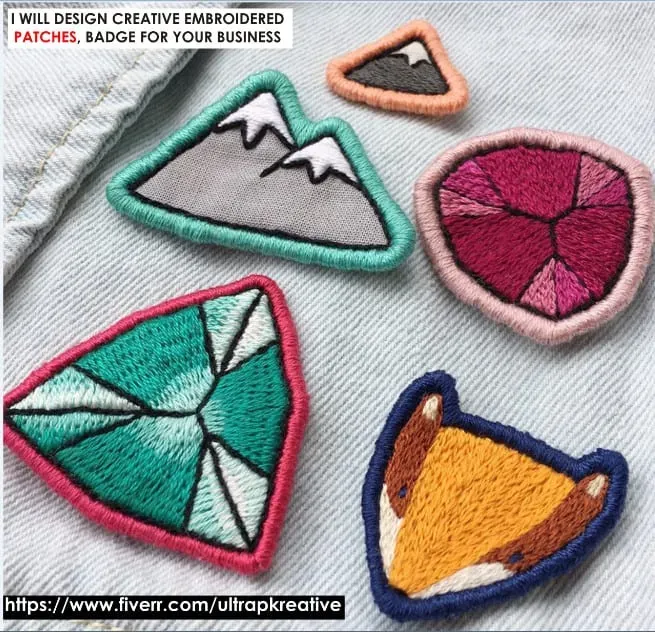
You’ll discover how creative embroidery patches can transform a denim jacket, tote bag, or favorite hat into wearable art. These small, portable canvases blend texture, color, and storytelling, offering a flexible, low-cost way to express personal style. Whether you sew or apply patches with heat, the approach you choose affects durability, finish, and how reliably the patch stays in place. From satin stitches to textured stitches, patches invite experimentation with materials like felt, denim, and canvas. In this guide, you’ll find practical tips for designing, applying, and caring for patches that stand up to daily wear.
As an alternative framing, decorative fabric appliqués offer a concise way to describe this craft for clothing and accessories. These needlework motifs add personality through color, texture, and storytelling without requiring permanent artwork. You can lay out themes as modular accents across sleeves, pockets, or collars to create a cohesive narrative on a single piece. Whether attached by hand-sewing, machine stitching, or heat-activated methods, the result is durable, washable, and unmistakably yours. Exploring related techniques in embroidery, fabric collage, and surface embellishment helps expand your repertoire and keep the practice engaging.
Creative Embroidery Patches: Texture, Storytelling, and Personal Branding
Creative embroidery patches open a world of texture, color, and storytelling for makers of all levels. They act as portable canvases that can transform jackets, bags, hats, or home textiles into wearable art. When you lean into creative embroidery patches, you’re blending craft with personal branding to create a look that’s uniquely yours.
Durability and versatility depend on material choices and patch embroidery techniques. Satin stitches, chain stitches, and metallic threads add tactile depth, while backing options—sewn on versus iron-on—determine how you apply patches to different fabrics. Whether you’re reviving worn denim or sprucing up a tote, selecting quality embroidery patches and backing will help patches withstand daily wear and frequent washing.
Embroidery Patches vs Iron-On Patches: Pros, Cons, and Best Uses
Understanding the differences between embroidery patches and iron-on patches helps you choose the right method for the fabric and project. Traditional embroidery patches are typically sewn for security and longevity on heavy fabrics, while iron-on patches offer quick customization on a wider range of textiles. Each approach aligns with different patch embroidery techniques and end goals.
Tips for choosing: consider fabric weight, care expectations, and how you plan to wash the item. For kids’ backpacks or gym bags, iron-on patches with a final stitch may be practical; for denim jackets, sewing patches may yield better durability. You can combine methods by applying an iron-on patch for speed and finishing with a few stitches for security.
Patch Embroidery Techniques: Stitches, Textures, and Finishing
Patch embroidery techniques create depth and life for any design. Experiment with satin stitches for smooth surfaces, chain stitches for outlines, and decorative stitches like feather or popcorn to add texture. When planning patches, consider how stitches read from a distance and how metallic threads catch light.
Finishing touches matter: choose stabilizers, backings, and edge finishes that suit the fabric. A clean edge with a subtle running stitch or a curated border helps patches blend with the garment instead of looking like a separate decal. Embroidery patches, with careful finishing, stay durable through repeated wear and washing.
DIY Patch Designs: From Concept Sketch to Wearable Art
DIY patch designs start with a concept sketch that frames scale and composition before you stitch. Define the base shape—circle, square, shield, or a custom silhouette—and pick fabrics with complementary textures to support the embroidery.
Plan your stitching and color palette, then assemble a patch design that aligns with your patchwork ideas. For beginners, start with simple silhouettes and a few decorative stitches, adding a backing and testing the adhesive if you’re using iron-on patches. The result is wearable art that reflects your personal taste while remaining practical for daily wear.
Patchwork Ideas: Arranging Patches for Cohesive Garments
Patchwork is more than a random collection of patches; it’s a narrative across a garment or bag. Try grid layouts for a clean, structured look or scatter patterns for a playful, collage-like vibe. Denim jacket patchwork, backpack revivals, and patchwork sleeves show how multiple patches can tell a story across a single piece.
When selecting patches, balance color, texture, and scale to create cohesion. Upcycling worn textiles into new patches not only reduces waste but also yields one-of-a-kind textures. Whether you’re using embroidery patches or iron-on patches in a patchwork design, a thoughtful arrangement helps the final piece feel deliberate rather than random.
Care, Maintenance, and Longevity of Embroidered Patches and Patchwork
To keep patches looking fresh after washing, turn garments inside out, use a gentle cycle with cold water, and air dry when possible. For iron-on patches, ensure proper heat settings and press times to maintain adhesion, and consider finishing with a few stitches for added security on items that see frequent wear.
Inspect patch edges regularly and reseal with a touch of fabric glue or a few stitches if lifting occurs. Use durable stabilizers behind delicate fabrics to prevent puckering, and choose washable threads to extend life. With mindful care, embroidery patches and patchwork can remain vibrant through seasons of everyday use.
Frequently Asked Questions
What are creative embroidery patches, and how do embroidery patches differ from iron-on patches?
Creative embroidery patches are decorative fabric pieces created with embroidery to add texture, color, and storytelling to clothing and accessories. Embroidery patches are typically sewn on, offering a secure, long-lasting hold on heavier fabrics. Iron-on patches use a heat-activated adhesive for quick application on a wider range of fabrics. Each method has merits: sewing patches tends to be more durable, while iron-on patches are fast and convenient for easy updates.
How can you use patchwork ideas to arrange multiple embroidery patches on a jacket or bag for a cohesive look?
To use patchwork ideas for a cohesive look, plan a focal patch on a jacket or bag and arrange smaller embroidery patches around it. Try a grid layout for a clean, structured feel or a scatter layout for a playful vibe. Choose a limited color palette and mix textures (matte and metallic threads) to unify the design. Consider backing and edge finishing to make the patches feel like a single artwork.
What are essential DIY patch designs for beginners, and which patch embroidery techniques should I learn first?
Great for beginners: DIY patch designs that start with simple shapes and clear outlines. Begin with concept sketches, pick base shapes (circles, squares, or custom silhouettes), and select fabrics with complementary textures. Learn essential patch embroidery techniques such as backstitch for outlines, satin stitch for fills, and stem or split stitch for details. As you gain confidence, you can experiment with layering patches and more complex textures.
Which materials, backing options, and patch embroidery techniques contribute to durable, wash-friendly patches?
Durability comes from selecting sturdy fabrics (denim, canvas), appropriate backing (stabilizers or interfacing), and strong threads. For patch embroidery techniques, use tight satin stitches and avoid long, loose threads that snag in washing. If you’re combining patches on stretch fabrics, add a stabilizer to prevent puckering. For iron-on patches, confirm the adhesive is compatible with the fabric and washing expectations, and consider a final stitching edge for extra security.
How do I safely apply iron-on patches and maintain their longevity, and when is it best to stitch the edges?
To apply iron-on patches safely, test a small area first to gauge heat sensitivity. Use a medium-high iron with no steam, and place a pressing cloth between the iron and patch. Apply even pressure for 20–30 seconds, then let the patch cool and test adhesion. For added durability, finish with a zigzag or satin-stitch border around the patch, especially on items washed frequently.
What are seasonal and themed creative embroidery patches ideas, and how can patchwork ideas help you lay them out for a cohesive design?
Seasonal and themed creative embroidery patches offer fun storytelling opportunities; start with patchwork ideas that fit your palette. For example, create a spring patch set with flowers and leaves, or an autumn set with pumpkins and foliage, laid out in a cohesive patchwork design. Use patchwork ideas like a focal scene plus supporting patches arranged in a grid or flowing layout to tell a narrative. Balance color, texture, and scale to keep the overall look unified across the garment or bag.
| Aspect | Key Points | Notes / Tips |
|---|---|---|
| What are creative embroidery patches? | Portable canvases that transform garments; suitable for jackets, bags, hats, or home textiles. | Low-cost, expressive, and easy to customize. |
| Appeal & Characteristics | Fuses craft with personal branding; durable, easy to apply, versatile; textures range from satin stitches to metallic threads. | Great for beginners and seasoned stitchers. |
| Patches vs Iron-On | Sewn patches offer secure, long-lasting results on heavier fabrics; iron-on patches use heat-activated adhesive for quick application. | Choose based on fabric, project, and durability needs. |
| Ideas & Layout | Themes include nature, animals, geometry, seasons, pop culture, and monograms; focal piece with surrounding patches; grid or scatter layouts. | Experiment with focal-to-support balance. |
| Materials & Techniques | Mix matte and metallic threads; satin stitches for smooth surfaces; textured stitches (feather, popcorn) for dimension; plan backing and fabrics. | Select fabrics like felt, cotton, canvas, denim for best results. |
| Care & Durability | Turn garments inside out; gentle wash; air dry; avoid harsh detergents; finish patches with a stitch for longevity. | Edge sealing with fabric glue or zigzag stitch recommended for high-wear items. |
| Patchwork & Sustainability | Upcycling and patchwork create a story across a garment; choose durable, washable options. | Sustainable approach to tailoring and mending. |
| Getting Started | Start with a concept sketch; choose base shapes; select fabrics with complementary textures; plan stitching; consider backing. | Begin with simple designs, then expand. |
| Ethics & Originality | Respect copyright; reinterpret characters in unique ways; combine elements to create original patches. | Avoid direct replication of copyrighted artworks. |
Summary
Conclusion
Creative embroidery patches open a world of texture, color, and storytelling in fashion and textiles. They offer a flexible path to personalize clothing, bags, and home textiles, whether you choose durable sew-on patches or quick-to-apply iron-on patches. With thoughtful design, high-quality threads, and careful backing, patches can endure regular washing and wear while adding character and upcycling potential. Start small with simple shapes or monograms, then expand to patchwork layouts that weave a narrative across a garment. In embracing creative embroidery patches, you celebrate sustainability, individuality, and handmade craft as your signature style.