
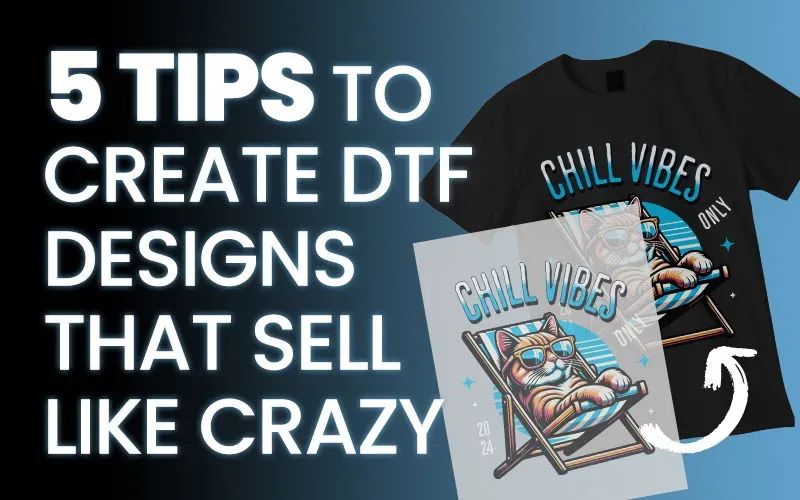
DTF Design Tips serve as a practical compass for creators seeking vibrant, durable prints with a modern film-based method. This approach to printing emphasizes clean design, legibility, and a soft hand-feel in wearable graphics. Careful file preparation and precise transfer techniques help ensure your artwork translates faithfully from screen to garment. Establish a reliable workflow by focusing on color management and consistent expectations across the transfer stage. With clear goals and the right tools, you can deliver professional results that stand up to washing and wear.
Viewed from an alternative perspective, the topic fits a film-transfer workflow, a heat-press-ready art strategy, or other terms that describe the same practice. These variations help connect color fidelity, gradient control, and texture to real-world fabrics while staying true to your digital intent. When DTF printing is considered, you can apply a streamlined pipeline that preserves vibrancy through transfers. By anchoring your process in practical transfer considerations, you ensure consistent results across different substrates and machines.
DTF Design Tips: Crafting Color-Rich Artwork for Direct-to-Film Printing
DTF Design Tips serve as a practical compass for color-rich artwork and the direct-to-film printing workflow. By focusing on thoughtful color choices, contrast, and clean separations, you can maximize vibrancy while preserving a soft hand-feel on fabrics.
Applying these tips across concept, file preparation, and the transfer stage helps your art translate faithfully from screen to fabric, preserving detail, brightness, and wash-fastness. Embracing these principles supports stronger color integrity throughout the entire DTF printing process, from design to garment.
Understanding the Direct-to-Film Process and Why Color Precision Matters
The Direct-to-Film Process hinges on printing designs onto a specialized transfer film, followed by applying a powdered adhesive and transferring the image to fabric with heat. This sequence is designed to preserve detail, but color precision hinges on how artwork is prepared and managed during the DTF printing workflow.
Colors that look bold on-screen should stay bold after heat pressing. Achieving this consistency requires planning and color management that considers the film, adhesive, and fabric texture—key elements of reliable DTF transfer tips and good color fidelity for color-rich designs.
File Setup and Color Management for DTF Printing
The foundation of color-rich artwork begins long before printing. Start with CMYK workflows and soft-proofing to anticipate how colors will translate to film in a DTF printing pipeline. Avoid oversaturation and maintain realistic color representation to improve predictability when moving from digital file to film and then to fabric.
Resolution matters: target 300–600 dpi at the final print size, especially for gradients and fine lines. If you work with vectors, you can scale without losing detail, but beware how raster textures may be added during printing. Balancing vector and raster elements is a core DTF transfer tip to preserve crisp edges and smooth color transitions.
Gradients, Halftones, and Layering for Depth in DTF Color Schemes
Color-rich designs often rely on smooth gradients and careful halftones to create depth. When preparing gradients for DTF, minimize shadow noise that can appear muddy after transfer. Use subtle gradient ramps and approachable halftone frequencies that suit the target fabric and print resolution.
Layering adds depth but can complicate the transfer process. Flatten complex transparency effects or pre-bake them into solid shapes with appropriate opacity to prevent unexpected shifts after printing and transfer. Clear layer labeling and consistent color separations help maintain fidelity through the direct-to-film process.
Materials, Tools, and the DTF Design Software Workflow
Material choice matters as much as artwork. Invest in high-quality PET transfer films designed for DTF, compatible adhesive powders, and reliable inks that deliver solid color density and wash durability. Testing multiple fabrics (cotton, blends, poly) helps you understand how film and adhesive respond to different textures.
A streamlined software workflow translates creative intent into the final print. Popular tools include Adobe Illustrator for vectors and Adobe Photoshop for raster edits. Use color swatches aligned to your printer’s capabilities, maintain consistent color workflows, and employ soft-proofing within DTF design software to simulate how colors will appear after transfer.
Transfer Tips for Consistent Color-Rich Results and Common Pitfalls
The transfer stage is where artwork moves from film to garment. Temperature, pressure, and dwell time are critical; start with manufacturer-recommended parameters for your film and adhesive, then adjust in small increments for your fabric and environment. A calibrated heat press and high-quality silicone sheets help ensure even heat distribution and consistent color density.
Common pitfalls include color shifts from inadequate color management, gradient banding from abrupt ramps, and misregistration due to fabric stretch. To avoid these issues, maintain a robust proofing system, rely on reliable media and adhesives, and use registration marks or a jig to keep garments aligned during transfer. When problems arise, apply practical quick fixes—adjust color ramps, re-calibrate profiles, and verify heat, time, and pressure settings for repeatable results.
Frequently Asked Questions
What are essential DTF Design Tips to achieve color-rich designs in the direct-to-film process?
In the direct-to-film process (DTF printing), start with CMYK artwork prepared for soft-proofing, aimed at 300–600 dpi final print size. Use a balanced mix of vector and raster elements, avoid oversaturation, and design smooth gradients and halftones to preserve color richness after transfer.
How do file setup and color modes affect color accuracy in DTF printing according to DTF Design Tips?
Work in CMYK with soft-proofing to anticipate how colors will translate to film. Convert RGB designs before print, keep realistic color values, and maintain a resolution of 300–600 dpi to reduce color shifts.
What are best practices for gradients, halftones, and layering in DTF Design Tips for color-rich artwork?
Create smooth gradients with subtle ramp transitions, choose halftone frequencies appropriate for fabric and resolution, and flatten transparency layers or pre-bake them to avoid unexpected shifts. Label layers clearly to preserve color fidelity.
What DTF transfer tips help maintain color richness during the transfer stage?
Follow manufacturer-recommended parameters for film and adhesive, use even heat and pressure with a calibrated heat press and silicone sheets, manage dwell time, and recheck temperature to prevent color thinning or uneven density.
What common pitfalls should DTF Design Tips warn about to preserve color integrity?
Watch for color shifts from weak color management, gradient banding, and misregistration from fabric stretch. Use a clear proofing system, reliable media and adhesives, and alignment aids or jigs during transfer.
How can DTF design software improve color control and production speed?
Leverage DTF design software to create and save printer-specific color swatches, use soft-proofing, organize with clear layer naming and groups, work with vector paths for sharp edges, and experiment with blending modes and opacity to build depth while preserving color brightness.
| Aspect | Key Points |
|---|---|
| Introduction to DTF Design Tips | DTF Design Tips guide creators to vibrant, durable prints via Direct-to-Film; emphasizes color-rich artwork, soft hand-feel, and wash durability; focuses on thoughtful design, proper file preparation, and precise transfer. |
| Direct-to-Film Process Overview | Printed on a transfer film, adhesive powder applied, then transferred with heat. Success depends on artwork preparation and color management; color and detail rely on a careful workflow. |
| File Setup and Color Modes | Work in CMYK with soft-proofing to anticipate film translation. RGB may look vibrant on screen, but CMYK soft-proofing helps predict color shifts. Avoid over-saturation; target 300–600 dpi final; vector elements scale, but watch raster textures. |
| Preparing Color-Rich Gradients and Halftones | Use smooth gradients and minimal shadow noise to avoid muddy results after transfer. Ensure halftone frequency suits fabric and resolution. Fine-tune dot gain to preserve color density post-transfer. |
| Layering and Transparency Considerations | Flatten complex transparency or pre-bake into solid shapes to prevent transparency shifts. Plan layer order so key color blocks stay vibrant after heat press; clearly label layers and maintain separations. |
| Choosing Materials and Tools | Invest in high-quality PET transfer films, compatible adhesive powders, and reliable inks for color density and wash durability. Test fabrics (cotton, blends, poly) to understand how film/adhesive respond to textures. |
| Software and Design Workflow | Use Illustrator for vector work and Photoshop for rasters; keep a consistent color workflow and soft-proof to simulate transfer results. Maintain organized layers and swatches for quick, repeatable color decisions. |
| Print Preparation | Check color profiles, print size, and margins; match artboard to final print with safe margins. Run a proof on a similar substrate to anticipate shifts and document adjustments for repeatability. |
| Transfer Tips for Consistent Results | Follow manufacturer-recommended temperature, pressure, and time; use silicone sheets and a calibrated heat press for even heat distribution; adjust parameters for fabric as needed. |
| Common Pitfalls | Watch for color shifts, gradient banding, and misregistration. Mitigate with solid proofing, reliable media/adhesives, and precise alignment during transfer. |
| Practical Quick Fixes | If banding occurs, smooth gradients and adjust color stops; revisit color profiles to align printer calibration; use registration marks or a jig for accurate transfer. |
| DTF Design Software Tips | Create and save color swatches that reflect printer capabilities; organize layers with naming and groups; experiment with blending modes and opacity to add depth while preserving brightness. |
Summary
DTF Design Tips empower designers to create color-rich Direct-to-Film artwork with confidence and consistency. This descriptive overview highlights how careful file setup, accurate color management, and precise transfer techniques lead to vibrant, durable results across fabrics. By following solid practices—from CMYK soft-proofing to even heat transfer—DTF Design Tips help maintain color integrity, detail, and longevity from screen to fabric, supporting cohesive apparel collections and stronger brand impact.