
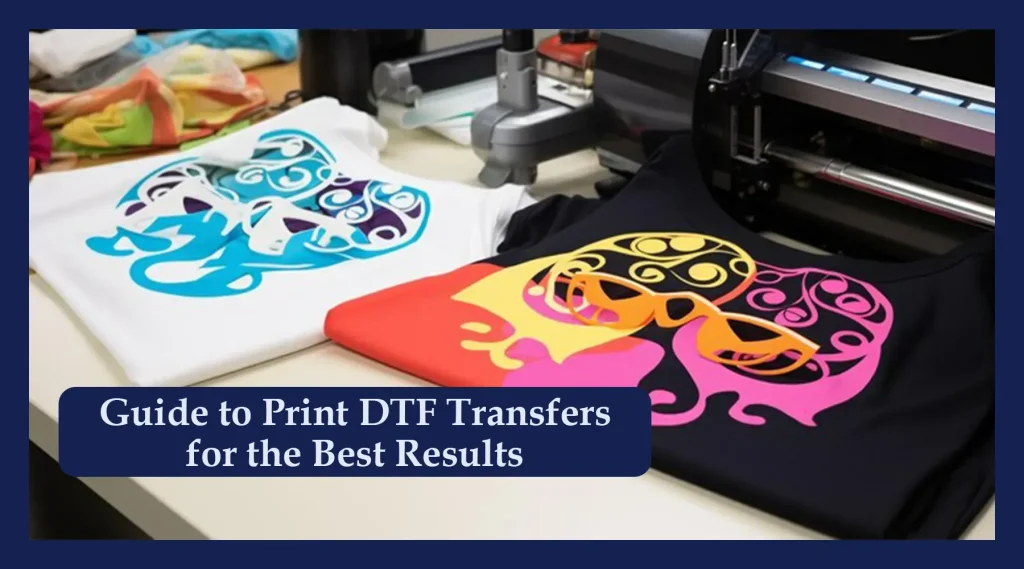
DTF transfers have become a go-to method for vibrant, durable designs across a range of fabrics, delivering crisp details and smooth gradients. For light fabrics, DTF transfers on light fabrics can yield bright results when paired with the right film, ink, and curing steps. Dark fabrics require extra planning to maintain opacity and vibrancy, so mastering DTF transfers on dark fabrics is essential. This guide blends practical, field-tested tips with proven strategies, including DTF printing tips to improve color accuracy and consistency. If you’re troubleshooting common issues, this overview covers How to apply DTF transfers and DTF transfer troubleshooting to help you reach reliable results.
Beyond the shorthand DTF transfers, this heat-activated technique uses a transfer film and adhesives to fuse a printed image onto fabric. In broader terms, the process is a form of digital textile decoration that blends pigment inks, a powder adhesive, and controlled heat to produce durable designs. Think of it as a modern alternative to traditional screen printing, where the artwork travels on a coated sheet before becoming part of the garment. Understanding the core concepts of film-to-fabric bonding helps designers optimize workflow, material choices, and post-press care.
DTF Transfers on Light Fabrics: Techniques, Prep, and Best Practices
Light fabrics provide a bright backdrop that makes vibrant designs pop, and mastering DTF transfers on light fabrics takes advantage of that advantage. Begin with thorough fabric prep: clean, dry fabric, pre-wash to remove sizing, and iron to create a flat transfer surface. Choose a high-quality DTF transfer film and compatible inks, as light fabrics often benefit from a straightforward, full-color transfer that doesn’t require a white underbase. Pay close attention to film quality, adhesive powder, and curing time to minimize texture and ensure proper adhesion. In terms of DTF printing tips, matching printer color profiles to the fabric stock improves consistency across runs, reducing surprises during application.
During production, monitor powder distribution and curing closely to avoid hotspots or incomplete transfers. Aim for even powder coverage and a dwell time around 12–15 seconds at approximately 155–170°C (310–338°F) to promote solid bonding. Post-press handling is crucial: allow the garment to cool completely, then resist stretching the print while it is warm to prevent distortion. To ensure longevity, print swatches and test washes to confirm color retention and adhesion, applying DTF transfer troubleshooting principles if results diverge from the expected baseline.
DTF Transfers on Dark Fabrics: Achieving Opacity and Color Fidelity
Dark fabrics require additional planning to achieve opacity and true color fidelity. A white underbase is often essential for full opacity, serving as a substrate that prevents the fabric color from dulling your design. Plan your design with an underbase in mind—either as a separate white layer or a thick white first layer during the transfer. Layer planning helps prevent translucency and ensures that vibrant colors remain accurate on dark materials. This approach aligns with best practices for DTF transfers on dark fabrics.
Heat and time adjustments are sometimes needed for dark fabrics to activate the underbase and bring colors to life without scorching the material. Use even pressure to guarantee consistent bonding of the white underbase before adding color layers. After a cold peel, a light re-press can consolidate adhesion and improve edge definition. By following these steps, you can achieve crisp, opaque transfers that stay vibrant on dark fabrics.
DTF Printing Tips for Consistent Results Across Fabrics
Consistent results start with solid DTF printing tips: calibrate your printer and maintain accurate color profiles so output matches expectations on both light and dark garments. Use reliable inks and adhesive powders, and test new lots on swatches before committing to production. Document your targets for light and dark fabrics to guide future projects and simplify color management across runs. Regularly updating profiles and keeping a small library of reference swatches are central to reliable DTF printing tips.
Design considerations matter: high-contrast designs with clean edges tend to print best on both light and dark fabrics. Avoid ultra-thin details that may blur during transfer, and ensure file preparation is precise—vector-based artwork or high-resolution rasters with correct color spaces help preserve detail. Include a clean reverse-side finish where applicable and keep meticulous records of temperature, dwell time, and substrate variations to maintain consistency across batches.
How to Apply DTF Transfers: A Step-by-Step Guide
How to Apply DTF Transfers: A Step-by-Step Guide starts with Step 1–Pre-press: remove moisture and flatten fibers to enhance adhesion. Step 2–Align the transfer film on the garment using guides or a T-pin approach to keep it steady during pressing. Step 3–Apply the transfer with a heat press, following manufacturer-recommended heat, time, and pressure. For light fabrics, you may use slightly lower pressure, while dark fabrics with a white underbase may require different adjustments to ensure full coverage and color fidelity.
Step 4–Peel at the right temperature—hot, warm, or cold peeling depends on the film and ink, so test samples to determine the optimal method. Step 5–Post-press to further bond the print, using parchment or a silicone sheet to protect edges and enhance adhesion. Step 6–Care instructions: wash inside-out in cold water and avoid high-heat dryer cycles to preserve color and adhesion. Following this structured approach helps you consistently achieve durable, vibrant results.
DTF Transfer Troubleshooting: Fixes for Common Issues
DTF transfer troubleshooting often centers on issues like peeling or edge lift, cracking on folds, fading colors on dark fabrics, and smudging. Remedies include verifying even adhesive powder distribution and ensuring uniform heat and pressure during pressing, with longer dwell times for stubborn areas. If problems persist, revisit fabric prep and powder coverage, as well as transfer film cleanliness, to determine the root cause.
Additional checks include moisture control during prep, avoiding over-stretching the garment, and confirming appropriate white underbase on dark fabrics. Run small test swatches when a new batch of film or ink is introduced, adjusting ink density, dwell time, and pressure as needed. Leverage DTF transfer troubleshooting guides to decide whether to modify film type, powder, or press settings for a reliable, repeatable outcome.
Choosing Equipment and Materials for DTF Transfers: Films, Powders, and Presses
Selecting the right equipment and materials is fundamental to successful DTF transfers. Look for films designed for DTF that deliver clear detail, strong adhesion, and durable wash performance across fabric types, paired with consistent adhesive powders to ensure even coverage. A dependable heat press with uniform platen temperature is essential to achieve equal transfer quality across the design, so invest in calibration routines and regular maintenance.
Garment selection matters as well: cotton blends, poly blends, and breathable fabrics respond differently to DTF transfers, so test on typical stock used in your line and document optimal settings. When evaluating presses and materials, consider a library of swatches and a log to track performance across lots and production runs. This disciplined approach to equipment and material choice helps ensure predictable results and scalable production.
Frequently Asked Questions
What are the key factors for successful DTF transfers on light fabrics?
DTF transfers on light fabrics are generally easier to work with. Focus on thorough fabric prep (clean, dry, pre-washed to remove sizing and wrinkles), use high-quality transfer film and inks, ensure even adhesive powder distribution, and set heat press parameters consistently (typical starting point around 155–170°C for 12–15 seconds) with a cold peel. Finish with proper post-press cooling to prevent micro-cracking and avoid stretching during handling.
How can I achieve opacity and vibrant color with DTF transfers on dark fabrics?
DTF transfers on dark fabrics require a white underbase for full opacity and vibrant color. Plan your layers (white underbase first, followed by color layers) and apply even backing pressure. You may need slightly higher heat or longer dwell times within safe limits, plus a firm, even press. After peeling, a light post-press can consolidate adhesion and reduce edge lift.
What are essential DTF printing tips to ensure consistent results across light and dark fabrics?
DTF printing tips include regular printer calibration and color profiling for both light and dark garments, using reliable inks and adhesive powders, designing with high contrast and clean edges, delivering crisp vector or high-resolution artwork with appropriate color profiles, and starting with manufacturer-recommended temperature and dwell ranges while recording adjustments for future runs.
How to apply DTF transfers: a step-by-step guide for light and dark fabrics?
How to apply DTF transfers: Step 1 – pre-press to remove moisture and flatten fabrics; Step 2 – align the transfer film using guides; Step 3 – press at recommended heat, time, and pressure (adjust for light vs. dark fabrics); Step 4 – peel at the appropriate temperature; Step 5 – post-press to bond and seal edges; Step 6 – follow care guidelines (wash cold, inside-out, avoid high-heat dryer cycles).
What troubleshooting steps fix common DTF transfer issues?
DTF transfer troubleshooting covers common issues like peeling/edge lift (check powder distribution and consistent heat/pressure; consider longer dwell time), cracking on folds (use garments with minimal stretch in the transfer area and avoid over-stretching), fading on dark fabrics (confirm white underbase and proper curing; reassess ink density and press parameters), and smudging or bleeding (ensure film is clean and garment is moisture-free).
What care steps best protect DTF transfers on light fabrics and DTF transfers on dark fabrics for long-lasting results?
Care steps include washing inside-out in cold water with gentle cycles, avoiding high-heat dryer cycles, and line-drying when possible. Limit stretching during wear and handling, perform a final post-press if needed, and provide end-users with clear care instructions to maximize longevity for DTF transfers on light fabrics and DTF transfers on dark fabrics.
| Section | Key Points |
|---|---|
| Introduction |
|
| Understanding DTF Transfers |
|
| Why Light Fabrics Matter |
|
| Getting Started with DTF Transfers on Light Fabrics |
|
| DTF Transfers on Dark Fabrics: Making the Color Pop |
|
| DTF Printing Tips for Consistent Results |
|
| How to Apply DTF Transfers: A Step-by-Step Guide |
|
| Troubleshooting Common DTF Transfer Issues |
|
| Quality Control and Long-Term Care |
|
| Choosing the Right Equipment and Materials |
|
Summary
DTF transfers offer a flexible path to vibrant, durable designs across light and dark fabrics. This Descriptive conclusion highlights the core idea that successful results come from thorough preparation, the right use of underbase on dark garments, precise heat and pressure, and careful post-press handling. Regular calibration of printers and color management helps maintain consistency when decorating diverse fabric colors. Pre-production swatches, batch testing, and clear garment care guidance extend print life and reliability. By documenting effective settings and continually testing with swatches, you can scale DTF transfers for creative projects with confidence and repeatability.