
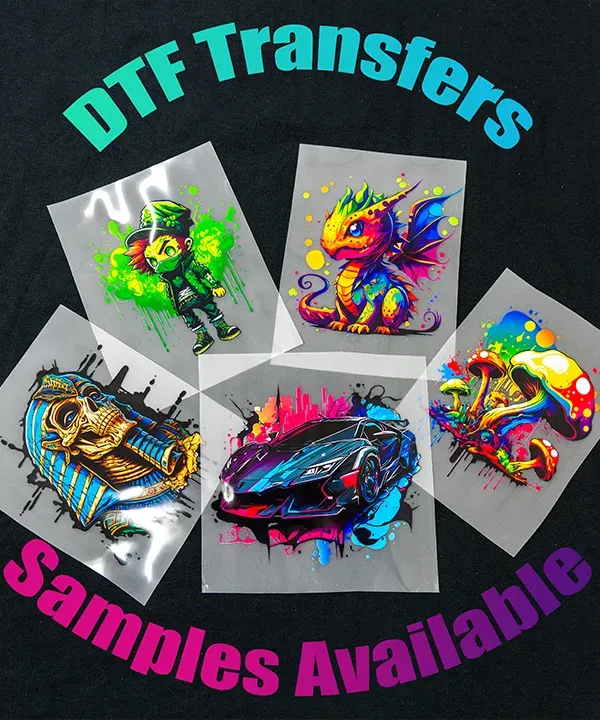
DTF transfers, or direct-to-film transfers, have surged in popularity for applying vibrant, durable designs to fabrics. Understanding DTF transfer durability and how long DTF transfers last helps crafters plan product lines and care instructions. Our look at DTF wash test results shows how color retention and adhesion endure after multiple home laundering cycles. Evaluating DTF printing quality means checking color fidelity, edge clarity, texture, and the role of DTF transfer paper in consistent results. By combining reliable inks, proper curing, and careful heat pressing, you can maximize durability and deliver lasting, vibrant designs.
In broader terms, the film-based transfer approach—often described as a direct-to-film workflow—lets designers apply vibrant graphics to a wide range of fabrics. Dubbed a print-on-film technique, it relies on a carrier film, an adhesive layer, and heat to fuse the design onto textiles. Compared with heat transfer vinyl or DTG, this workflow can offer a softer hand and favorable costs for small runs across varied fabrics. When assessing performance, look at the same durability indicators—color fidelity, edge integrity, and wash resilience—through the lens of the transfer film, ink system, and curing quality.
DTF Transfers: What They Are and Why They Matter for Durability
DTF transfers, or direct-to-film transfers, are printed on a special film and bonded to fabric with heat. This method is valued for durability and color vibrancy, but long-term performance hinges on the entire process—from the quality of DTF transfer paper and inks to proper curing and heat-press settings. When we discuss DTF transfer durability, we’re assessing how well the image resists cracking, fading, and edge wear after regular laundering and wear.
Choosing the right paper, ink system, and adhesive plays a major role in durability. Fabrics, curing temperature, and pressing pressure all influence how long DTF transfers last on cotton, poly-cotton blends, or polyester. In practice, a well-regulated workflow and thorough curing help extend the life of the design through many wash cycles.
DTF Printing Quality: Achieving Vibrant Color, Sharp Edges, and Soft Hand
DTF printing quality encompasses color vibrancy, edge fidelity, and the feel of the printed design. A well-tuned printer, calibrated color profiles, and a solid white underbase produce smooth gradients and sharp details, even on dark fabrics. DTF printing quality is measured not just by the image at application, but by how consistently it reproduces colors and textures during wear.
To maintain DTF printing quality, rely on quality DTF transfer paper, reliable inks, and accurate color management. Fine-tuning heat press parameters and ensuring even ink laydown help prevent halos, excessive stiffness, and banding, delivering a professional finish from print to press.
DTF Transfer Paper and Adhesives: The Hidden Drivers of Long-Lasting Prints
DTF transfer paper and adhesives are the hidden drivers of long-lasting prints. The choice of transfer paper affects edge crispness, carrier release, and how cleanly the ink transfers to the adhesive layer. A poor match can lead to edge fraying or color bleed, even before washing.
Equally important is the adhesive system and curing. Proper curing ensures the bond between the adhesive, ink, and fabric fibers is strong enough to resist washing stress. When you select DTF transfer paper and adhesive together with controlled curing, you maximize durability and minimize edge lifting during wear.
DTF Transfer Durability Across Fabrics: Cotton, Blends, and Polyester
Fabric type influences how well prints adhere; cotton fabrics generally offer strong grab and color retention, while blends balance stretch and grip. High-polyester content can require different heat and pressure to optimize bond strength and prevent cracking over time.
Testing on your primary fabrics is essential to understand real-world DTF transfer durability. A combination of high-quality DTF transfer paper, dependable inks, and properly tuned heat settings yields the best outcomes across typical garment types.
DTF Wash Test Results: What Happens After Dozens of Cycles
Wash test results reveal how color and adhesion hold up after laundering. In controlled tests, designs often retain most color and edge integrity after twenty or more wash cycles under standard home laundering conditions.
To maximize reliability, follow a consistent wash-test protocol—same fabric, detergent, water temperature, cycle, and drying method. Document cycle counts and inspect the design after each set to anticipate end-use performance and plan care guidelines for customers.
How Long Do DTF Transfers Last? Realistic Expectations and Care Tips
How long DTF transfers last? Realistic expectations depend on fabric, care, and application quality. For cotton or cotton blends, a well-executed transfer can maintain appearance and adhesion through roughly 20–40 washes under typical home care, with gradual fading in high-friction areas possible.
To extend life, provide care instructions: wash cold or warm, use mild detergent, avoid solvents, and air-dry when possible. Consider accelerated aging tests for product lines to anticipate longer-term wear and set durable expectations for customers.
Frequently Asked Questions
What is DTF transfer durability on common fabrics like cotton and blends, and what factors influence it?
DTF transfer durability depends on fabric type, curing, transfer paper quality, ink, adhesive, and heat press settings. In controlled tests, DTF transfers maintain color and adhesion through 20–40 washes on cotton and blends when properly cured, with some fade on very bright colors.
What do DTF wash test results typically reveal about color retention and edge integrity after repeated laundering?
DTF wash test results show strong color retention and intact edges after 20+ washes under standard home laundering, with only minor fading in bright colors or edge wear in highly detailed areas. Following consistent protocols and proper curing helps maintain performance over time.
How does DTF printing quality affect the overall look and durability of DTF transfers?
DTF printing quality drives color vibrancy, edge fidelity, and texture, which in turn influence durability during washing. A well-calibrated print with even white ink layers and sharp registration yields more durable transfers with fewer cracks or halo effects.
Why is DTF transfer paper important for the performance and longevity of DTF transfers?
DTF transfer paper impacts clean release, edge crispness, and ink transfer consistency. A well-matched transfer paper, ink system, and adhesive improves adhesion, reduces cracking, and supports better wash durability across fabrics.
How long do DTF transfers last under normal care, and what care instructions help maximize longevity?
On cotton or cotton blends, DTF transfers can last through roughly 20–40 washes with proper curing and care. To maximize longevity, wash in cold to warm water with mild detergent, avoid high-heat drying, and ensure designs are fully cured before washing.
What practical steps can boost DTF transfer durability and extend how long DTF transfers last on fabrics?
Use quality DTF transfer paper and inks, calibrate printer color profiles, ensure thorough curing, tune heat press temperature/time/pressure for your fabric, prep fabrics properly, and follow care guidelines to extend life and maintain appearance.
| Aspect | What it means | Impact / Takeaway |
|---|---|---|
| What are DTF transfers? | DTF transfers are created by printing a design onto a special film using water-based inks, applying an adhesive powder, curing the print, and then transferring the design to fabric with heat and pressure. The result is a vibrant image with a relatively soft hand feel and good stretch. Compared with methods like heat transfer vinyl or DTG, DTF transfers offer a balance of color fidelity, fabric compatibility, and cost per unit—especially for small runs or custom designs. | DTF transfers provide a favorable mix of color fidelity, fabric compatibility, and cost efficiency for small runs or custom designs. |
| Quality factors driving DTF printing quality | Key factors include color vibrancy and accuracy; a well-applied white ink base; edge fidelity; texture/hand feel; and durability of the print (resistance to cracking or flaking). | These attributes together determine the final product quality; controlling ink, paper, adhesive, curing, and press settings improves results. |
| Durability: how long do DTF transfers last on fabrics? | Long-term performance depends on fabric type, washing conditions, and how the transfer was cured. DTF transfers generally perform well on cotton, poly-cotton blends, and some poly fabrics when properly cured. | Strong adhesion and color retention are achievable on common fabrics with quality materials and proper curing. |
| Wash test results: what to expect when DTF transfers go through laundry | Wash tests evaluate color retention, edge integrity, crack resistance, and overall feel after multiple cycles. In controlled tests, DTF transfers show strong color retention and adhesion after 20+ wash cycles under standard home laundering conditions. | Most designs remain legible and visually appealing after many cycles; minor fading may occur on very bright colors or highly detailed areas. |
| DTF transfer paper and its role in wash durability | Transfer paper quality affects edge crispness, color transfer accuracy, and how cleanly the design releases from the carrier during heat application. | A good match of transfer paper, ink system, and adhesive yields stronger bonds and better resistance to cracking, especially on textured fabrics. |
| Practical considerations for best results | Transfer paper quality; ink quality and color management; adhesive chemistry and curing; heat press settings; fabric choice and prep; post-press care. | Follow best practices to maximize durability: proper curing, calibrated heat press, and appropriate care instructions for end users. |
| Durability improvements and care | Tips to boost longevity include: use reputable transfer paper and inks; calibrate printer profiles; ensure thorough curing; optimize heat press parameters; follow care instructions (cold/warm washes, mild detergents, low heat drying); and conduct your own wash tests on representative fabrics. | Proactive testing and consistent care guidance help preserve color and bond over time. |
Summary
DTF transfers explained: key points and practical takeaways for achieving durable, high-quality prints. By focusing on printing quality, transfer paper, curing, and heat-press settings, you can maximize color fidelity, edge crispness, and wash durability across common fabrics.