
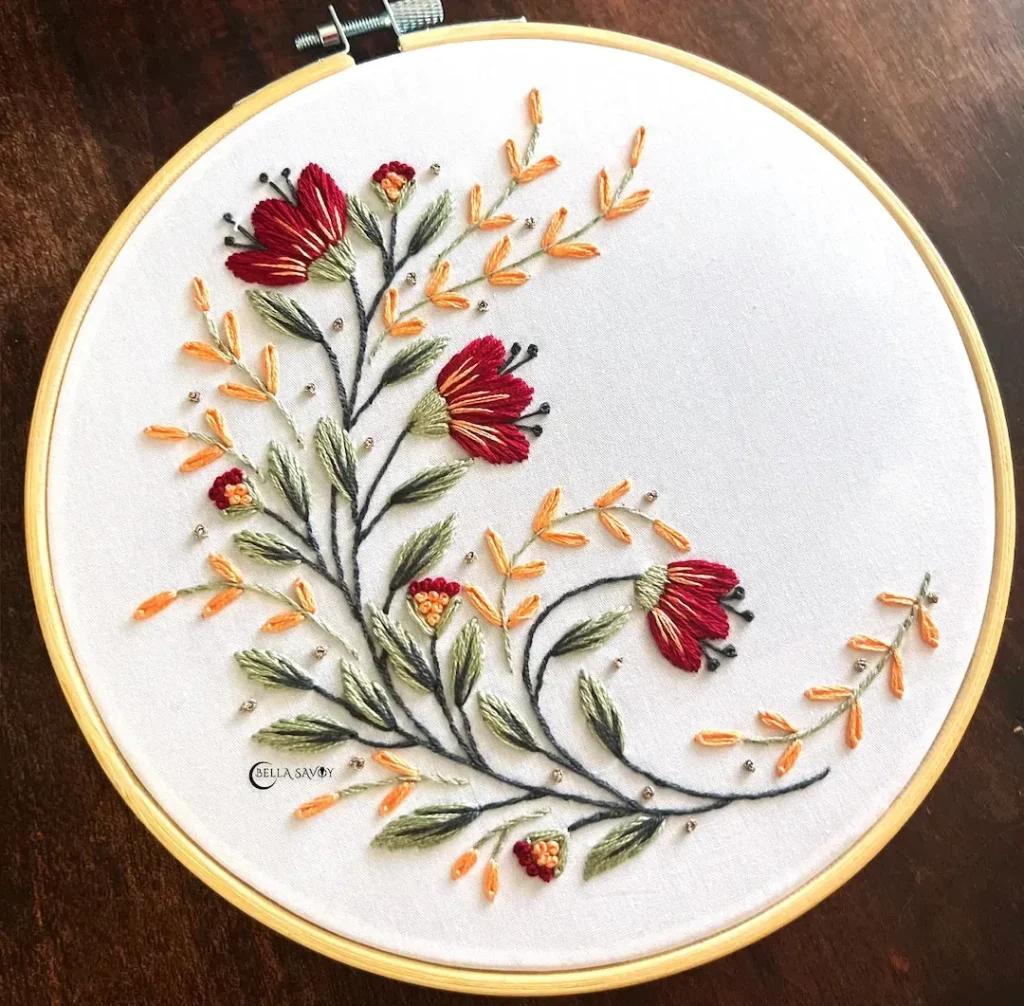
Embroidered design is a timeless craft that blends texture, color, and patience into something uniquely personal, giving handmade pieces a warmth that mass production simply can’t match. For beginners, focusing on a handful of essential embroidery stitches and reliable tools helps you gain confidence, establish smooth hand pressure, and develop a steady routine you can build on. This approach keeps the process enjoyable while you master grip, tension, and fabric handling, testing your coordination with different fabrics, threads, and hoop setups to find what works best for you. Test on simple swatches, adjust your thread tension, and gradually expand your color choices, noting how thickness, sheen, and weave affect how stitches sit on your fabric. From selecting materials to finishing a small piece, you’ll see steady progress and ideas for future embroidered design endeavors, including decorative accents, monograms, and thoughtful gifts.
To frame this craft in broader terms, think of it as needlework that blends textile texture with creative planning. You’re arranging motifs, selecting palettes, and building flow through careful layout rather than relying on complex machinery. As your skills grow, treat each project as a small scene in a larger textile storyboard, where color, rhythm, and form guide the hand. With patience and practice, you’ll translate ideas into tangible pieces that suit apparel, home décor, or personal keepsakes. Keep a simple stash of fabrics and threads, observe how different textures respond to stitch density, and enjoy the gradual breakthroughs.
Frequently Asked Questions
What is an Embroidered design and what beginner embroidery tips should I know to start?
An Embroidered design is a textile piece that blends texture, color, and patience to express personal style. For beginners, start with the basics: a stable hoop, sharp embroidery needles, durable thread, and a smooth fabric. Learn a few essential embroidery stitches and practice on scraps before working on a full project. Use simple motifs and a light plan to build confidence with beginner embroidery tips.
Which embroidery stitches are essential for a first Embroidered design project?
For a first Embroidered design, focus on a core set of embroidery stitches: running stitch for outlines, backstitch for clean lines, satin stitch for solid color fills, stem stitch for curves, and a French knot for texture. Practice these on a swatch to understand tension and thread behavior on your chosen fabric. These stitches form the backbone of most Embroidered design ideas and help you develop consistency.
What embroidery tools and fabrics are best for a new Embroidered design?
Choose reliable embroidery tools such as a stable hoop or frame, sharp needles, a good pair of scissors, and a versatile thread. For fabrics, start with tightly woven options like plain-weave cotton or linen; Aida cloth (14-count or 16-count) is popular for count-based projects. Use transfer tools (erasable markers or lightbox) to map your design and keep lines delicate for easy washing away later. A well-chosen combination of embroidery tools and fabric makes your Embroidered design smoother and more enjoyable.
How do I plan and design an Embroidered design for a beginner project?
Begin with a small, manageable motif and a clear plan. Select a color palette of two to four colors to keep the project approachable and focused on stitch quality. Decide whether your design will be dense or airy, and transfer the pattern to fabric using a washable pen or lightbox. A thoughtful design plan helps you progress from concept to finished Embroidered design with confidence.
What are some embroidery design ideas for beginners to inspire an Embroidered design?
Great Embroidered design ideas for beginners include simple floral motifs, geometric shapes, and monograms. Start with a single flower on a napkin, a row of leaves along a pillow edge, or a small monogram on a handkerchief. These embroidery design ideas provide structure while allowing room for personal expression as you practice.
How can I improve my Embroidered design outcomes with practice and tips?
Improve your Embroidered design outcomes by practicing regularly on swatches to master tension and stitch consistency. Use a comfortable hoop, avoid over-pulling, and keep threads organized to reduce tangling. Gradually introduce more stitches and colors as you gain confidence, applying the hand embroidery basics to build more complex Embroidered design projects.
| Aspect | Key Points |
|---|---|
| Tools, fabrics, and threads | Stable hoop or frame; sharp embroidery needles; durable thread or floss; small scissors; light, smooth-weave fabric; quality tools shorten learning curve. Beginner-friendly options include plain-weave cotton or linen; common materials: cotton floss, linen, and polyester blends. |
| Fabric selection | Choose tightly woven fabrics with smooth surfaces; 14-count or 16-count Aida for count-based projects; linen offers natural drape and a forgiving weave. Use fabric scraps to test tension and stitch behavior before the main piece. |
| Transfer tools | Pencils, washable pens, pattern tracing paper, or a lightbox; erasable markers are ideal for beginners; markings can be erased or washed away after stitching. |
| Core stitches | Master a handful of basics: running stitch, backstitch, satin stitch, stem stitch, and French knot. Use these for outlines, fills, and texture; practice on a swatch before larger projects. |
| Design and planning | Start with a small motif; limit palette to 2–4 colors; plan layout on fabric; decide on density or openness. Transfer methods (washable pens or lightbox) help keep lines visible but erasable. |
| Beginner motifs and layout ideas | Floral elements, geometric shapes, and monograms offer structure with room for personal expression. Begin with simple concepts, test on scraps, then expand motifs. |
| Practice, projects, and progression | Practice balance, tension, and stitch choice. Larger designs suit looser weaves; smaller motifs benefit from tighter fabrics and finer threads. Gradually increase complexity as confidence grows. |
| Practical project ideas and tips | Coasters with a single motif, monogrammed handkerchiefs, or small wall panels. Stay organized, anchor threads, and keep pencil marks clean; use simple projects to build momentum. |
Summary
Embroidered design is a timeless craft that blends creativity with technique. This descriptive overview highlights essential tools, stitches, and planning steps so beginners can approach embroidery with confidence. By starting with a small motif, choosing the right fabrics and threads, and practicing fundamental stitches, you’ll build skill, patience, and personal style while enjoying the process of Embroidered design. With steady practice and thoughtful planning, your Embroidered design projects will grow in complexity and beauty, turning simple materials into expressive, textured artworks.