
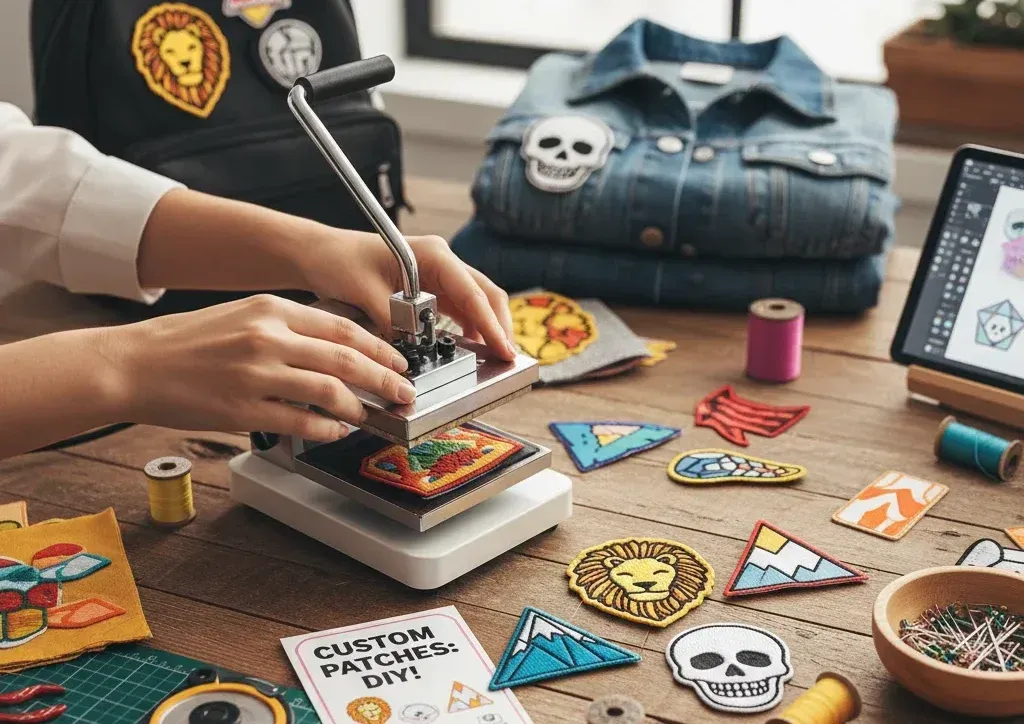
How to Create Custom Patches is a creative gateway for personalizing jackets, backpacks, and gear with your own badges, blending artful ideas with practical sewing techniques to produce a tangible, wearable project that can grow from a simple doodle to a small collection. Whether you’re starting from scratch or refreshing an old item, this guide helps you explore DIY patches, brainstorm patch design ideas that suit different fabrics and color palettes, and outline a clear, step-by-step plan that keeps costs reasonable and timelines realistic. You’ll see how choosing between traditional textured embroidery and modern surface decoration affects texture, durability, and wash-fastness, so you can pick the method that matches your project’s goals. The resource also covers digitizing artwork, selecting backing options, and finishing techniques such as edge finishes and stabilizers, so your patch reads clearly and lasts through repeated wear. By the end, you’ll feel confident planning, prototyping, and applying patches to garments or bags, whether you stitch patches yourself or use a home sewing machine to bring your design to life.
If you’re exploring fabric badges or garment embellishments, this topic can be approached as patch creation, badge embroidery, or textile applique. Think of it as a small-scale graphic project that translates art into a wearable patch, letting you express branding, club spirit, or personal taste. Whether you plan a single emblem or a mini collection, these approaches share core design steps, from concept and color choice to backing selection and final attachment. By reframing the process in terms such as badge fabrication, fabric adornment, or surface embroidery, you can leverage related techniques to maximize impact with varying budgets and fabrics.
Design Foundations: Crafting a Patch Concept that Speaks
Designing a standout patch begins long before the stitching starts. Define who will wear it, what story it should tell, and what mood you want to convey—playful, bold, vintage, or minimalist. This is the core of patch design ideas that guides every later decision, from shape to color palette. When you frame the concept around a narrative, patches become wearable storytelling that resonates with your audience and your DIY patches ethos.
A strong concept also informs practical choices like size, placement, and color. Start with a simple narrative or emblem that can be understood at a glance, then translate that idea into a visual plan. By aligning your patch concept with potential backing and wash considerations, you set up your project for durability and impact, whether you’re sketching by hand or plotting a more complex embroidered patch as part of your DIY patches journey.
Choosing Shape, Size, and Materials for Impactful Patches
Shape and size are the first tangible decisions that influence readability and personality. Classic options like circles, ovals, shields, and squares remain versatile, but a custom silhouette can mirror a logo or mascot for a more distinctive look. For beginners, starting with about a 2-inch patch is a practical, versatile size that still reads clearly on garments or bags.
Material choices dramatically affect texture, weight, and durability. Twill patches offer a sturdy surface ideal for detailed embroidery, while felt provides a soft, economical option for simple designs. Leather or faux leather patches bring a premium feel but require different stitching and finishing techniques. Each material impacts whether you pursue DIY patches by hand or lean into a more production-ready embroidered patch.
How to Create Custom Patches: From Sketch to Digital and Back
How to Create Custom Patches is a process of translating an idea into a precise production-ready file. Start with a clean sketch and then digitize your design, creating clearly defined outlines and color separations for the chosen method—whether embroidery or patch printing techniques. This bridge from hand-drawn concept to vector art helps ensure consistency across batches and scales well for both small runs and larger orders.
If you’re new to digital design, begin with beginner-friendly tools that let you craft clean vector outlines or import clip-art you own. Use vector formats (SVG, AI, EPS) for embroidery-friendly designs, and keep a high-resolution PNG as a fallback for printing guides. Preparing files this way makes it easier for the patch printer or embroiderer to interpret your vision, whether you’re stitching by hand or using a machine for embroidery patches.
Printing vs Embroidering: Selecting the Right Patch Printing Techniques
Choosing between embroidered patches and patch printing techniques comes down to budget, timeline, and the desired look. Embroidered patches remain the premium option with rich texture and a classic appeal, created by thread stitched around and within the design. The density of stitching, thread type, and edge finish all affect how the patch wears over time, making this a durable choice for clothing that’s washed frequently.
Patch printing techniques offer flexibility for high-detail artwork and full-color designs with less manual handwork. Heat transfer, dye-sublimation, screen printing on patches, and direct-to-fabric digital printing each have strengths and trade-offs. For home crafters, a hybrid approach—printing a detailed design and finishing with embroidery or a stitched edge—often delivers a durable, visually rich patch that still preserves the DIY patches spirit.
Finishing Touches: Backings, Edges, and Durable Finishes
Backings are more than just attachment; they determine ease of use and longevity. Iron-on backings are convenient for quick wear, while sew-on backings offer superior durability for fabrics that endure frequent washing. Velcro or hook-and-loop closures add versatility for bags and uniforms, expanding the patch’s practical applications in the realm of DIY patches.
Edge finishes matter for durability and aesthetics. A merrowed edge provides a tight, professional satin border that resists fraying, whereas a laser-cut or raw edge offers a modern, minimalist silhouette. Selecting the right finish—coupled with appropriate backing and fabric choice—helps ensure your patches withstand daily wear and washing without losing fidelity.
Prototype to Production: Prototyping, Testing, and Scaling Your Patch Line
Turning a concept into a producible patch starts with a prototype. Cut fabric, apply backing, and run a single test piece through the chosen production method to evaluate color accuracy, edge quality, and stitching density. Prototyping helps you catch issues early and refine both the design and the production workflow for reliable DIY patches or a small-batch line.
After a successful prototype, plan for scale. Prepare a production plan that includes materials, tooling, and a timeline for orders. Testing under real conditions—washing, abrasion, and wear—ensures longevity before you commit to larger runs. Whether you’re pursuing DIY patches for a personal project or launching a small business, a clear process from concept to packaging keeps you aligned with your patch design ideas and the expectations of your customers.
Frequently Asked Questions
How to Create Custom Patches: where should a beginner start?
Begin with a clear patch concept and audience. Choose a shape and size (2 inches is a versatile starting point). Create a simple sketch and then a clean digital outline, or a vector file. Decide between embroidery and patch printing early, then build a small prototype on scrap fabric to check color, edge quality, and durability. Adjust as needed and finalize your production plan and backing choice.
How to Create Custom Patches: what are some DIY patches patch design ideas to spark inspiration?
DIY patches patch design ideas include a bold icon or monogram, limited color palettes (3–5 colors), strong contrast, and a story that fits your brand or event. Consider simple shapes that read well at small sizes, then sketch variations before digitizing. If designing for a club or brand, align with existing typography and colors while keeping a fresh feel. Start by hand sketching and then convert to vector outlines or high‑resolution PNGs for printing or embroidery guides.
How to Create Custom Patches: should I choose embroidered patches or patch printing techniques for my project?
Embroidery patches offer a premium look and durable texture but can be pricier and slower for large runs. Patch printing techniques—heat transfer, dye-sublimation, screen printing, or direct-to-fabric printing—are more affordable for small batches and full‑color artwork but may wear differently over time. Choose based on budget, durability needs, and equipment; many makers blend approaches and finish with a stitched border for extra durability.
How to Create Custom Patches: how can I stitch patches by hand and still achieve durable results?
When stitching patches by hand, start with a simple shape and a sturdy backing. Use stabilizer, a clean edge, and practice basic stitches like satin or running stitch. A tight, even stitch length plus a zigzag securing stitch around the edge helps prevent fraying. For durability, finish with a merrowed edge or a secure edge stitch, and test on scrap fabric before applying to the final item.
How to Create Custom Patches: what backing options and edge finishes support longevity for embroidered patches and patch printing techniques?
Backings include iron-on for quick attachment, sew-on for durability, and Velcro for removability. Edge finishes range from merrowed borders to laser-cut clean edges; choose based on fabric weight and look. For embroidered patches, use stabilizer to prevent distortion; for printing, ensure the backing is compatible with heat presses or adhesives and test washability.
How to Create Custom Patches: what common mistakes should I avoid when designing, printing, or stitching patches?
Avoid overcomplicating a design for small patches, skipping edge finishing, and using incompatible backing with your fabric. Mismatched colors or too many colors can read poorly at small sizes, so test color on similar fabric. Always create a prototype, test durability through washing or rubbing, and review color accuracy and edge quality before full production.
| Topic | Key Points |
|---|---|
| Designing the patch concept | Define patch purpose, audience, and message; craft a mood or story; ensure alignment with brand or club colors and typography; outline a simple narrative to guide decisions. |
| Shape and size | Choose a classic shape or a custom silhouette; common size is 1–4 inches (start with ~2 inches); simpler designs read better at small scales. |
| Color theory | Use high contrast for readability; limit palette to 3–5 colors (up to 6 for vintage looks); test colors on fabric similar to the backing; consider production costs. |
| Digitizing design | Sketch by hand, then digitize; vector formats (SVG, AI, EPS) scale cleanly; if needed, high‑res PNGs work for printing guides; prepare clear outlines and color separations. |
| Backings and finishes | Backings: iron-on, sew-on, Velcro; durability varies; choose edge finishes like merrowed or laser-cut; finishing touches help prevent fraying. |
| Printing and embroidery options | Embroidered patches offer a premium look with stitch density and backing considerations; stabilizer helps durability. Patch printing methods include heat transfer, dye-sublimation, screen printing, and direct‑to‑fabric; hybrids and manufacturer partnerships suit mass production. |
| Fabric options and patch materials | Common bases: twill, felt, chenille; leather or faux leather for a premium vibe; choose based on weight, feel, and intended use (durability under washing, outdoor wear, etc.). |
| Cutting and sewing the patch | Edge finishes: merrowed edge or raw/laser-cut; consider sealing for fray prevention; sew-on patches use zigzag or satin stitches; iron-on patches require heat application and testing. |
| Step-by-step: from concept to finished patch | 1) Concept and sketch; 2) Digitize and prepare files; 3) Choose production path; 4) Create a prototype; 5) Test durability; 6) Finalize production. |
| Tools and supplies | Base fabric patches (twill, felt, or leather); embroidery hoop or machine; embroidery thread; backing (iron-on, sew-on, Velcro); stabilizer; cutting tools; edge finish equipment; heat press. |
| Common mistakes and how to avoid them | Overcomplicating the design; inadequate edge finishing; mismatched backing and fabric; underestimating color transitions; skipping mockups. |
Summary
How to Create Custom Patches is a versatile craft that lets you express personality, brand identity, or community spirit in a tangible, durable form. By guiding you through design, printing, and stitching—from concept to finished patch—this process helps you tailor patches to different fabrics, uses, and budgets. Start with a clear concept, choose your preferred production path, and test thoroughly. Whether you’re making DIY patches for personal flair, a small product line, or a club insignia, following these practical steps creates patches that pop, endure wear, and communicate your story.