
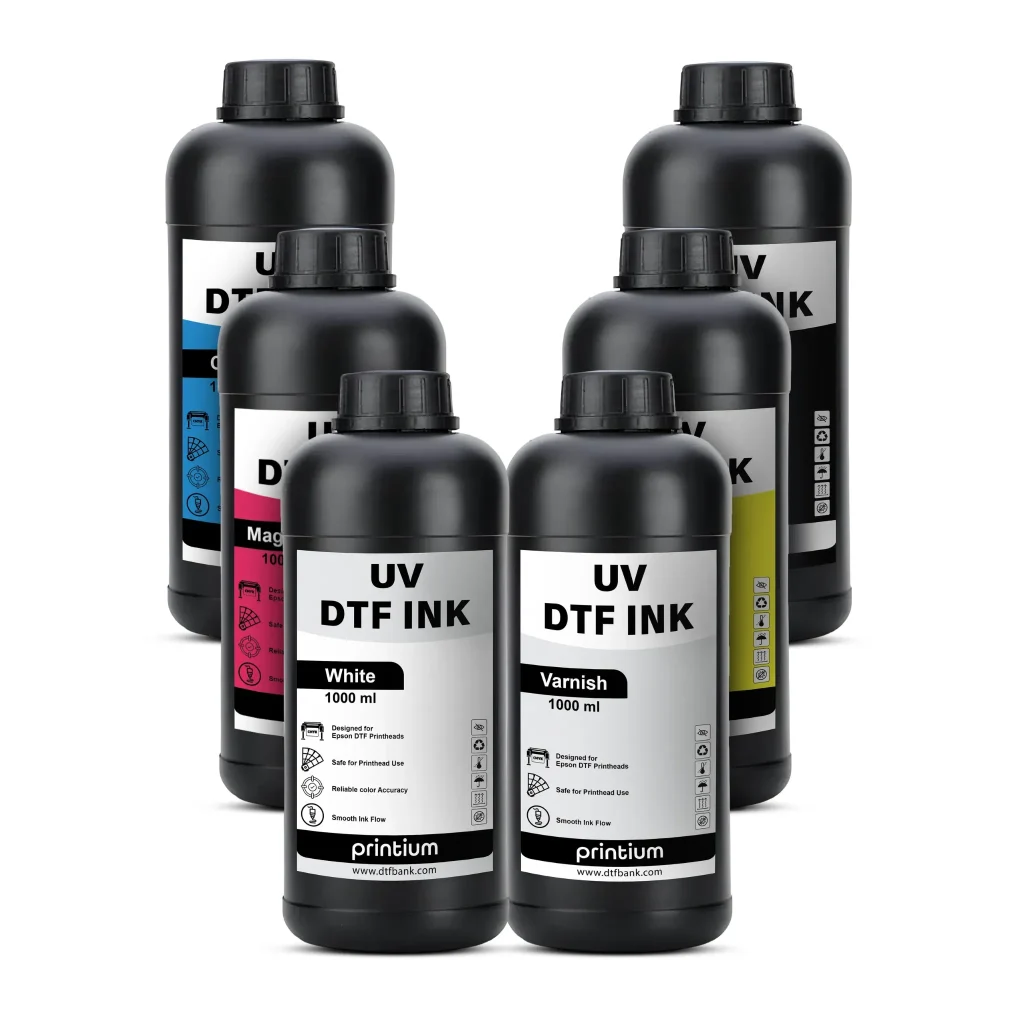
UV DTF transfer ink has become a cornerstone for printing shops and hobbyists seeking vibrant, durable transfers on fabrics and other substrates. If you’re evaluating this UV DTF print solution, you’re likely weighing how to choose DTF transfer ink cartridges, how to perform DTF printer maintenance, and how to avoid common pitfalls that can affect color accuracy and print longevity. This guide explains how the ink works, how cartridges impact print quality, and practical maintenance steps you can implement to keep your DTF workflow smooth and cost-effective, including DTF ink care tips. Whether you’re new to this technology or upgrading to better cartridges and maintenance routines, understanding the basics will save you time and money in the long run, and it supports smoother DTF transfer troubleshooting. With solid fundamentals, your UV DTF printing results can become more reliable and scalable.
Beyond branding, this UV-curable direct-to-film solution hinges on a fast-curing, pigment-rich ink that bonds to fabrics and other substrates under UV light. Think of it as a direct-to-film workflow where the color is laid down on a transfer film before being applied to apparel. Key factors include ink viscosity, printhead reliability, precise curing, and substrate compatibility, all of which affect final appearance. To optimize outcomes, operators should consider routine DTF printer maintenance, regular checks of exposure units, and sound ink care practices. In practice, capturing color accuracy and durability means paying attention to ink chemistry, pigment stability, and practical troubleshooting steps for common transfer issues.
Understanding UV DTF Transfer Ink: What It Is and Why It Matters
UV DTF transfer ink is a UV-curable formulation designed for direct-to-film transfers. It must flow smoothly through the printhead, dry rapidly, and cure properly when exposed to UV light. When the ink chemistry and cartridge design align with the printer’s feed, head, and UV system, you’ll see sharper details, more accurate color reproduction, and longer-lasting transfers. This understanding is foundational for achieving predictable results with UV DTF printing and for making informed decisions about upgrades and maintenance.
The practical takeaway is that UV DTF transfer ink quality directly impacts print fidelity. The focus on UV DTF printing highlights how cartridge performance, curing efficiency, and substrate compatibility converge to determine color integrity and durability. By recognizing the role of UV DTF transfer ink within your broader workflow—and how it interacts with DTF transfer ink cartridges and printer components—you set yourself up for fewer color shifts and longer print life.
Choosing UV DTF Ink Cartridges for Consistent Color and Performance
Selecting UV DTF transfer ink cartridges is more than picking a color. Compatibility with your printer model and UV curing wavelength, viscosity, and formulation all influence print stability and clog resistance. Incompatible cartridges can cause head strikes or uneven ink delivery, while the right choice supports a steady color gamut and reliable cure-through across batches.
Storage, agitation, and batch consistency matter as much as the cartridge chemistry. Upright storage minimizes settling, and gentle agitation helps keep pigments in suspension for uniform output. When you prioritize high-quality DTF transfer ink cartridges and monitor purity and formulation, you reduce color drift and optimize the performance of your entire DTF workflow.
DTF Printer Maintenance: Routines That Preserve Ink Quality
A steady DTF printer maintenance routine preserves ink quality and reduces downtime. Regular calibration checks, printhead nozzle tests, and platform cleanliness help maintain color accuracy and smooth ink flow. Documenting cleaning cycles and cartridge usage also makes it easier to trace any color shifts back to a specific cartridge lot or batch.
Curing integrity and fluid management are essential components of maintenance. Check UV lamps or LED curing units for output consistency, and replace worn lamps to maintain proper cure speeds. Keep ink paths clean to prevent air bubbles and contamination, and maintain logs for quick reference during troubleshooting of DTF transfer issues.
DTF Ink Care Tips for Longevity, Color Stability, and Cure Consistency
Longevity begins with smart storage and careful handling of UV DTF transfer ink. Store cartridges in a cool, dark place to protect pigment stability, and follow manufacturer guidelines when mixing or thinning inks to avoid nozzle clogging or altered curing behavior. Gentle handling after printing helps preserve adhesion and washfastness.
Ink care also encompasses curing discipline and post-print handling. Allow adequate cure time under the UV system before touching prints, and avoid stacking heavy loads while the ink finishes curing. Keeping detailed records of ink lots and throughput per batch supports traceability and helps you diagnose color shifts or performance variations over time.
UV DTF Printing Best Practices: From Substrates to Post-Print Handling
Adopt best practices that maximize color integrity and transfer durability. Start with test prints to calibrate color and contrast against a known color profile, and use proper substrate alignment and pre-press to minimize wrinkling and misregistration. Substrate consistency and pre-press discipline directly affect cure performance and the final feel of the transfer.
Plan your print order and color builds to minimize heavy layering that can slow cure time or increase transfer stiffness. After curing, allow the print to cool and handle with clean hands. Document ink lots, cartridge serial numbers, and throughput to support ongoing quality control across batches in your UV DTF printing workflow.
DTF Transfer Troubleshooting: Common Issues and Practical Fixes
Color drift between batches can signal cartridge lot changes or the need to re-run calibration. Reassess ICC profiles for the substrate and verify color management settings across batches. If you encounter printhead clogs or streaks, perform a nozzle check and targeted cleaning, and flush the line with manufacturer-approved cleaning solutions if necessary.
Fading or insufficient cure often points to UV lamp issues or excessive ink thickness. Check lamp output and distance, replace worn lamps, and verify cure-through with test patches. If adhesion or gloss is uneven, inspect substrate preparation and consider adjusting ink flow, flash time, or curing parameters to achieve uniform results, while keeping an eye on DTF transfer troubleshooting steps to isolate the root cause.
Frequently Asked Questions
What are UV DTF transfer ink cartridges and how do they influence print quality in UV DTF printing?
UV DTF transfer ink cartridges shape print quality by matching the printer model and UV curing wavelength, controlling viscosity, and ensuring correct pigment chemistry. For best results, select cartridges designed for your printer, store upright to prevent settling, and gently agitate before use. Look for pure formulations with suitable photoinitiators to maintain color accuracy and strong adhesion, and verify a wide color gamut and consistent batch-to-batch output in UV DTF printing.
How does DTF printer maintenance affect the reliability of UV DTF transfer ink and cartridge performance?
DTF printer maintenance directly impacts UV DTF transfer ink performance by keeping printheads clean, ensuring smooth ink flow from cartridges, and preserving curing unit efficiency. Regular nozzle checks and cleanings, monitoring UV lamp/LED output, maintaining clean fluid paths, and keeping a maintenance log for cartridge lots and cleaning cycles help prevent color shifts, streaks, and other ink delivery issues.
What are essential UV DTF ink care tips to maximize longevity and color stability of UV DTF transfer ink?
UV DTF ink care tips focus on storage, handling, and curing. Store cartridges in a cool, dark place and avoid heat and light exposure that can change viscosity and pigment stability. Gentle agitation before use prevents settling, and avoid introducing contaminants. After printing, allow proper cure time under the UV system to protect washfastness and durability.
In UV DTF printing, how does curing quality impact UV DTF transfer ink performance and final transfers?
Curing quality in UV DTF printing directly affects how well the UV DTF transfer ink adheres and how colors render on the substrate. Maintain consistent lamp output and proper cure distance/speed; a weak or uneven cure can cause fading, poor adhesion, or incomplete cure. Regularly test cure performance with patches and ensure printing parameters align with cartridge and substrate specifications.
What are common UV DTF transfer troubleshooting steps to address color drift, clogs, or adhesion issues?
DTF transfer troubleshooting for UV DTF transfer ink includes: checking cartridge lots and re-calibrating color profiles when color drift occurs; performing nozzle checks and targeted cleanings to resolve clogs; testing cure with a patch and inspecting lamp output and distance for fading or insufficient cure; verifying substrate prep and ink flow and adjusting as needed to improve adhesion and finish.
Why should you choose UV DTF transfer ink cartridges wisely for long-term cost and sustainability in DTF workflows?
Choosing UV DTF transfer ink cartridges wisely supports lower total cost and sustainability. Look for eco-friendly formulations and recyclable packaging, and verify printer compatibility to minimize waste from head replacements. Keeping thorough records of ink lots, throughput, and maintenance helps optimize usage, reduce scrap, and ensure predictable performance across your DTF workflows.
| Key Point | Description |
|---|---|
| What UV DTF transfer ink is | Designed for direct-to-film transfers using a UV-curable formulation; it must flow through the printhead, dry rapidly, and cure properly under UV light. When cartridges align with the printer’s feed, head, and UV system, you’ll see sharper details, accurate color reproduction, and longer-lasting transfers. |
| Cartridges: choosing and managing | Cartridges influence color balance, viscosity, drying time, and clog resistance. Key considerations include compatibility with the printer and UV curing wavelength, ink viscosity and settling, purity and formulation, and the ability to deliver a wide color gamut with consistent soft proofing. |
| Maintaining your UV DTF ink system | Maintenance includes printhead care, curing integrity checks, fluid management, and maintenance logs to maximize cartridge life and keep the workflow smooth. |
| Ink care tips for longevity | Store cartridges in a cool, dark place; handle and mix inks per guidelines; use gentle agitation if needed; allow adequate cure time after printing to protect durability and washfastness. |
| DTF printer maintenance routines | Regular calibration, clean media handling, controlled environment, and spare parts readiness help maintain color accuracy, alignment, and minimize downtime. |
| Best practices for high-quality transfers | Start with test prints and color management using known profiles; pre-press and align substrates; plan color builds to minimize thick layers; follow post-transfer handling and keep thorough documentation for traceability. |
| Troubleshooting: common issues | Look for color drift between batches; check for printhead clogs, perform targeted cleanings; verify UV lamp output and cure; inspect adhesion and gloss consistency, then apply standard fixes. |
| Sustainable practices and future-proofing | Choose eco-friendly formulations and recyclable packaging; verify printer and cartridge compatibility before upgrades; document procedures and train staff to reduce waste and errors. |
| Documentation and training | Keep cartridge lots, print runs, and cleaning cycles documented; provide quick-reference guides and SOPs to minimize mistakes and support consistent quality across UV DTF transfer ink workflows. |
Summary
UV DTF transfer ink offers vibrant, durable transfers for fabrics and other substrates. By choosing compatible cartridges, maintaining the system, and carefully caring for the ink, you can achieve consistent color, reliable curing, and longer print life. This guide-style overview summarizes practical steps to optimize the UV DTF transfer ink workflow, helping printers and hobbyists minimize waste, reduce downtime, and deliver repeatable results with confidence.