
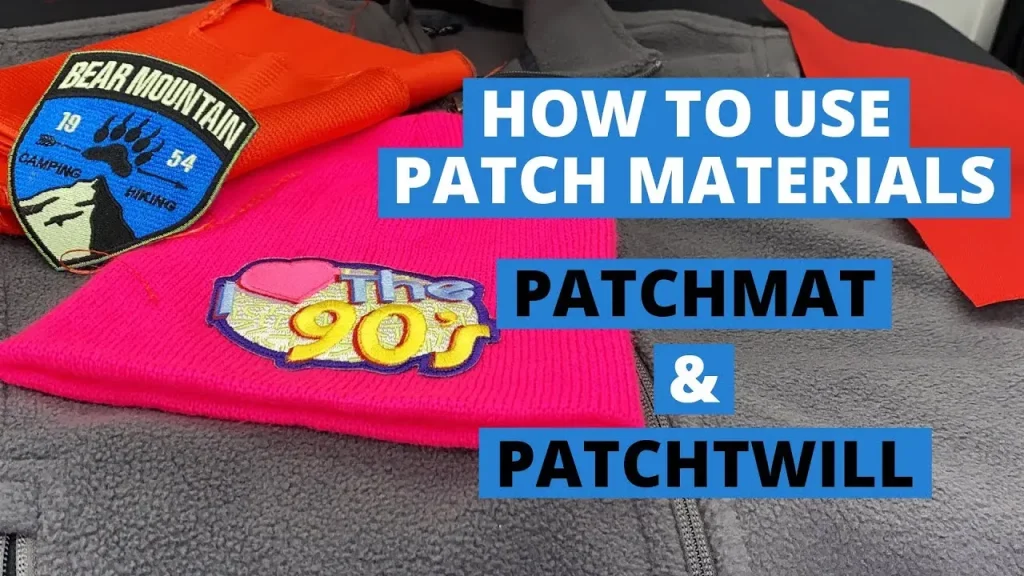
Patch material choice shapes how a project looks, wears, and lasts, guiding decisions for refreshing garments, backpacks, or gear. Translating texture, weight, and flexibility into everyday behavior helps ensure your patch remains comfortable, secure, and easy to care for across fabrics. By weighing the trade-offs between stiffness, breathability, and maintenance, you can set realistic expectations before you buy or sew. In this primer, we’ll cover practical considerations, forecast performance, and sketch how different materials respond to washing, sun, and wear. From start to finish, the goal is to align appearance with durability while keeping the process simple and affordable.
To frame the discussion with broader terms, think of the patch as a surface embellishment and consider the available material choices. For a premium finish, leather patch material offers a durable, refined look. If you want a classic badge with color and texture, embroidered patch material delivers a crisp finish. We’ll also cover practical installation tips and care notes that apply across material types. As you weigh these ideas, remember that fit, care, and aesthetic goals should guide your selection.
What is Patch Material? Exploring the patch material options
Patch material defines the visible surface and the feel of a patch. It influences not only aesthetics but also how the patch behaves during wear and after washing. When planning a project, it helps to review patch material options such as leather patch material, denim patch material, iron-on patch material, and embroidered patch material to understand texture, weight, and application methods.
Understanding patch material options reveals trade-offs between durability, edge finishing, and care requirements. For example, leather patch material offers a premium texture and aging patina, while denim patch material delivers casual charm and easier sewing for beginners. By mapping needs to these options, you can pick a patch material that matches your garment and lifestyle.
Leather Patch Material: premium texture and durable options
Leather patch material delivers a premium texture and rugged appeal, making it a natural choice for leather jackets, rugged backpacks, and denim pieces that call for a high-end touch. Its durability and luxurious finish pair well with dark fabrics, natural fibers, and hardware accents.
Care and installation are part of the equation. Leather patch material requires conditioning, mindful moisture exposure, and typically a sewn-on backing or strong backing for longevity. Weight and maintenance mean it suits items that aren’t machine-washed daily and benefit from spot cleaning and regular conditioning.
Denim Patch Material: casual durability and easy sourcing
Denim patch material blends seamlessly with casual wear. It works well on jeans, jackets, canvas bags, and other everyday items, offering affordability and easy sewing for beginners.
Edge care is important: denim patches can fray at the edges over time, and durability may be less than leather under heavy wear. Denim patch material keeps visuals consistent with the garment and holds up to routine use with basic stitching.
Iron-On Patch Material: quick updates for fast customization
Iron-on patch material provides rapid, temporary customization. It’s popular for kids’ clothing, tote bags, and light fabrics like cotton and canvas, because no sewing is required for initial application.
However, wash durability and heat sensitivity are considerations: repeated washing or high heat can loosen the adhesive. For best results, follow the patch maker’s instructions, apply moderate heat, and add a quick stitch along the edge for added security.
Embroidered Patch Material: detailed visuals for a polished finish
Embroidered patch material offers crisp detail and long-lasting color. It can be sew-on or come with a heat-activated backing, delivering a professional finish on jackets, hats, and bags.
The investment in embroidered patch material typically reflects durability and a premium look. Consider backing options, edge finishing, and the need for stitching to ensure the patch remains flat and visually sharp over time.
How to Choose Patch Material for Any Garment
Choosing patch material is about matching the garment and the intended use with care expectations and budget. Start by considering fabric compatibility, such as cotton or denim pairing with denim patch material or embroidered patch material for a clean finish.
Practical guidelines: for a budget wardrobe refresh, denim patch material or embroidered patches that can be sewn on are a sensible start; for a statement piece, leather patch material or embroidered patches with bold colors shine; for fast DIY updates, iron-on patch material offers quick customization, especially on cotton tees, caps, or tote bags.
Frequently Asked Questions
What are the main patch material options for garments, and how do leather patch material, denim patch material, iron-on patch material, and embroidered patch material compare?
Patch material options include leather patch material, denim patch material, iron-on patch material, and embroidered patch material. Leather patch material offers premium durability and a rugged look but requires conditioning. Denim patch material is budget-friendly, easy to sew, and forgiving for beginners. Iron-on patch material provides quick, glue-backed application but may loosen with washing. Embroidered patch material delivers a crisp, durable finish and adaptable backing.
For a jacket using leather patch material, what are the key durability and care considerations?
Leather patch material is durable and ages well, but it requires mindful care. Protect it from excessive moisture and heavy abrasion; condition periodically to prevent cracking. It’s heavier than fabric patches, so expect more noticeable wear over time and avoid machine washing. Wipe with a damp cloth for routine cleaning and stash conditioning as needed.
How does denim patch material perform under frequent washing, and what care tips help extend its life?
Denim patch material is affordable, easy to sew, and forgiving, making it a popular choice for casual wear. It can fray at the edges over time, so finish edges and use reliable stitching. For washing, turn garments inside out and use gentle cycles to maintain color and integrity of the patch material.
Is iron-on patch material suitable for kids’ clothing, and what are the limits on wash durability?
Iron-on patch material is convenient for quick customization on kids’ clothing, totes, and light fabrics. Its main drawbacks are heat sensitivity and reduced wash durability, as adhesive can loosen with repeated washing. For longevity, follow the patch maker’s instructions, apply with moderate heat, and consider finishing the edge with a quick stitch for added security.
When would embroidered patch material be the best choice for a professional bag, and what backing or stitching considerations matter?
Embroidered patch material offers a crisp, professional look with strong detail, making it ideal for bags, jackets, and hats. It can come with sew-on or heat-activated backing, with stitched edges providing durability. For the longest life, choose embroidered patch material with a reliable backing and reinforce edges with stitching to prevent fraying.
How should you install and finish patch material options—specifically sew-on methods for denim patch material and embroidered patch material, and iron-on backing when used?
Sew-on patches, including denim patch material and embroidered patch material, begin with tracing, pinning, and stitching around the edge for a secure finish. Use a dense zigzag or running stitch with matching thread to keep the look clean. If using iron-on backing, follow heat instructions carefully and place a cloth barrier; for heavy wear, reinforce with a final outline stitch to improve longevity.
| Patch Material | Key Qualities | Pros | Cons | Best Uses | Care & Notes |
|---|---|---|---|---|---|
| Leather patch material | Premium look; rugged; ages well | Durability; luxurious texture; timeless aesthetic | Weight; care: can crack or stiffen with moisture; requires conditioning or spot cleaning | Leather jackets, rugged backpacks, denim pieces that call for a high-end touch | Wipe with damp cloth; condition leather periodically; avoid soaking |
| Denim patch material | Casual; blends with casual wear; affordable; easy to sew; beginner-friendly | Affordable; easy to sew; forgiving for beginners | Potential edge fraying; less durability than leather | Jeans, jackets, canvas bags | Machine wash gentle; turn garments inside out; basic stitching |
| Iron-on patch material | Quick, temporary customization; convenient for kids’ clothing, tote bags, light fabrics | Rapid application; no sewing required | Heat sensitivity; wash durability: adhesive can loosen with washing or heat if applied incorrectly | Kids’ clothing, tote bags, light fabrics like cotton and canvas | Moderate heat; follow patch maker’s instructions; finish edges with a quick stitch if heavy wear |
| Embroidered patch material | Classic look with strong detail; can be sew-on or heat-activated backing | Longevity; crisp, professional appearance | Cost; need for stitching or reliable adhesive backing | Jackets, hats, bags | Sewn on: wash normally; if iron-on backing, treat with care and consider edge stitching |
Summary
Patch material choices shape durability, care needs, and style across projects—from leather patch material to denim patch material, iron-on options, and embroidered finishes. A thoughtful selection aligns garment type, expected wear, and washing conditions with the look you want. When you pair the right patch material with proper installation and care, you can achieve a durable, flattering patch that wears well over time and complements your design goals.