
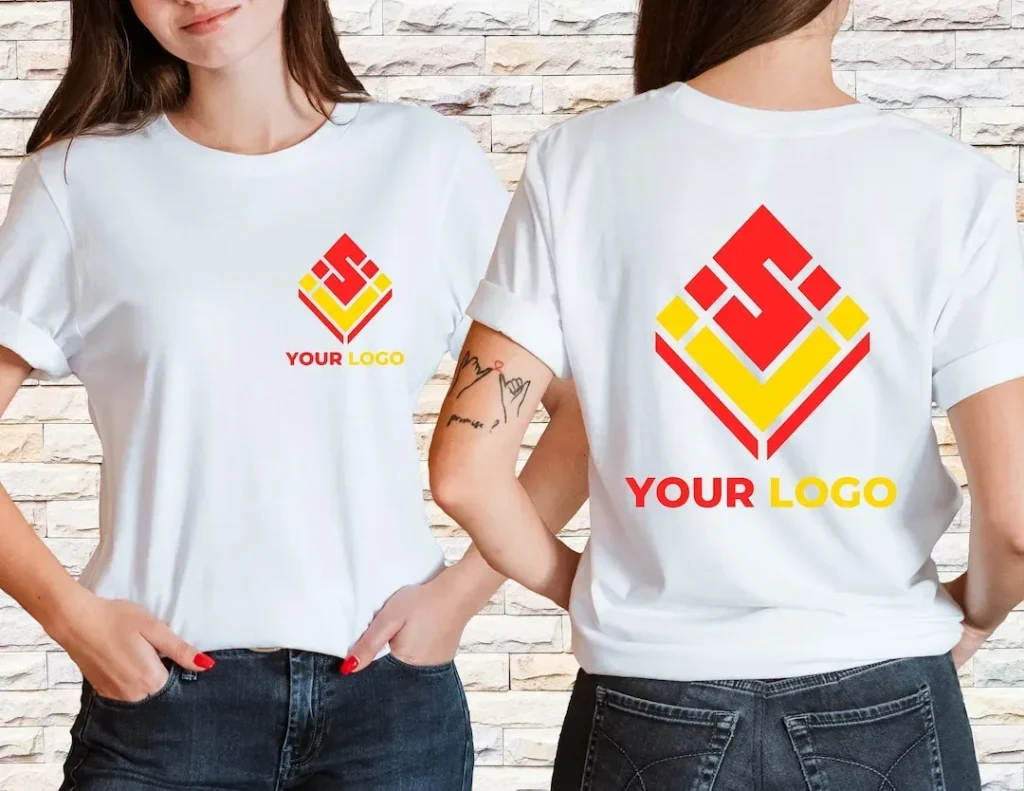
Custom shirts for your brand act as moving billboards, turning your logo, message, and values into wearable impact. A well-designed shirt communicates professionalism, aligns with your brand voice, and boosts recognition across audiences. To create lasting impressions, focus on quality fabrics, durable prints, and thoughtful placement that reflects your brand identity, all while keeping the custom shirt manufacturing process in mind. If you’re unsure where to start, this guide shows how to design custom shirts and translate brand strategy into apparel. This framework supports brand apparel customization and also highlights ideas for custom shirts for brands to keep your campaigns cohesive.
To expand on the idea, think of branded clothing as a live canvas for your brand narrative. From concept to wardrobe, this approach relies on clear design guidelines and scalable production. If you want to learn more about bringing your vision to life, explore how to design custom shirts with practical steps, from typography choices to print readiness. Consider the end-user experience, fabric choices, and color psychology as part of a broader strategy of brand identity through apparel. You’ll also want to align your logo, tagline, and color system with channels like events, retail, and online campaigns, which is where cohesive branding comes into play. For designers, this means mapping artwork to garment templates, selecting cost-effective yet durable print methods, and sequencing proofing to maintain consistency. In short, the same principles that guide marketing translate well into the world of custom shirts for brands, ensuring a cohesive and memorable wardrobe.
1) Define Your Brand Identity and Audience for Cohesive Apparel
Begin by clarifying what your brand stands for and who will wear the shirts. This foundational work informs every design decision—from color and placement to fabric choice—ensuring your garments act as authentic extensions of your brand. Consider questions like the mood you want to convey (bold, minimalist, playful) and the channels where the shirts will appear (events, social media, retail).
As you map your identity, look for branded shirt design ideas rooted in industry success. This is where brand apparel customization begins to take shape, helping you establish a consistent voice across products. By aligning messaging, typography, and color with your audience’s expectations, you set up a repeatable process for creating custom shirts for brands that feel cohesive and purposeful.
2) Select the Right Garment and Fabric to Reflect Your Brand
The garment you choose sets the tone for the entire project. Fabric weight, comfort, and drape influence how the artwork appears after printing and how the shirt will wear over time. Common options include 100% combed cotton for softness, cotton-poly blends for durability, and tri-blends for a vintage look with stretch.
Think about end use and scale. Event giveaways may benefit from lighter-weight cotton for cost efficiency, while premium staff uniforms require heavier fabrics and reinforced seams. When considering brands at scale, evaluate sizing consistency, labeling, and wash-fastness. This is also where understanding the custom shirt manufacturing process helps you plan production with quality and consistency in mind.
3) Artwork Creation: Design Guidelines for Legible, Scalable Branding
A clean, scalable design is essential for sharp prints that stay legible from a distance. Start with a high-resolution logo and a layout that works across multiple sizes. Define safe zones, color stops, and minimum line thickness to prevent details from bleeding during printing.
If you’re exploring how to design custom shirts, experiment with placement options (center chest, left chest, back, sleeve) and color combinations that align with your brand palette. Branded shirt design ideas often feature a primary logo, a secondary mark, and a concise tagline. For some brands, a monogram or icon can become a memorable shorthand that reinforces your identity.
4) Colors, Print Methods, and Finishing Touches that Elevate Quality
Color accuracy is critical. Work with your printer to set color standards (Pantone or CMYK) and verify proofs before production. The choice of printing method—screen printing, direct-to-garment (DTG), embroidery, or heat transfer—will influence vibrancy, durability, and cost.
Finish touches such as tag options, packaging, and fold presentation contribute to perceived value. To maintain brand consistency, ensure every shirt in the batch uses the same colorways and placement guidelines. This practical extension of brand apparel customization helps deliver a cohesive, premium look across your line.
5) Production Readiness: Planning, Proofing, and Quality Control
The production phase tests your ability to scale while preserving quality. Request a printed proof to check color accuracy, alignment, and fabric behavior after washing. Look for issues like misprints, color bleed, or misaligned logos, and adjust artwork, fabric choice, or print method before bulk runs.
Create a simple production brief that lists garment type, size range, color options, artwork files with safe zones, print method, placement, and labeling requirements. A clear brief reduces back-and-forth and speeds delivery. This discipline supports consistent, reliable outputs essential for campaigns, merch drops, or team apparel.
6) Bringing It All Together: Custom shirts for your brand and Wardrobe-Ready Brand Apparel
When design, materials, printing, and production align, your shirts become powerful ambassadors for your brand. Implement a streamlined workflow that mirrors how you manage other brand assets, ensuring color fidelity, fit, and messaging across every piece.
This holistic approach ties back to the broader goals of branding: consistency, reliability, and audience resonance. By leveraging concepts like custom shirts for brands, brand apparel customization, and practical insights from the custom shirt manufacturing process, you can deliver wardrobe-ready pieces that reinforce your brand voice, support marketing efforts, and drive ongoing engagement.
Frequently Asked Questions
Why are custom shirts for your brand a powerful asset for identity and marketing?
Custom shirts for your brand act as moving ambassadors, extending your logo, colors, and message across events, teams, and merchandise. A well-designed, premium-feeling shirt reinforces brand voice and builds recognition, so start with clear identity, audience, and a production plan to ensure consistency across every garment.
How to design custom shirts for your brand that align with your audience and brand voice?
Begin with Step 1: define your brand identity and audience to guide color, typography, and placement. Create scalable artwork using guidelines (safe zones, minimum line thickness) and explore branded shirt design ideas such as primary logos, secondary marks, and concise taglines to keep messaging tight and recognizable.
What is the custom shirt manufacturing process and how can it support quality and scalability?
The custom shirt manufacturing process should include clear production briefs, color standards (Pantone or CMYK), printed proofs, and careful selection of printing methods (screen, DTG, embroidery, or heat transfer). This workflow helps you catch issues early and scale up with consistent quality across large orders.
What branded shirt design ideas help reinforce your brand across garments?
Effective branded shirt design ideas center on a simple, strong composition: a primary logo, a secondary mark, and a concise tagline placed consistently (center chest, left chest, back, or sleeve). Use cohesive color palettes and a monogram or icon when appropriate to create a memorable shorthand for the brand.
How do you choose the right garment and fabric for brand apparel customization and custom shirts for brands?
Select fabric and weight based on use: 100% combed cotton for softness, cotton-poly blends for durability, or tri-blends for vintage feel and stretch. Consider end-use, fit, wash-fastness, and labeling, ensuring sizing consistency for scalable, brand-aligned custom shirts for brands.
How can you ensure color accuracy, durable printing, and consistent branding in a batch of custom shirts for your brand?
Work with your printer to establish color standards and proofs before production. Use the same colorways, placements, and artwork across the batch, and prepare a production brief detailing garment type, sizes, colors, files, print method, and labeling to maintain consistent branding across all custom shirts for your brand.
| Step | Key Points |
|---|---|
| Introduction | Brand impact through apparel; a well-designed shirt acts as a moving billboard for logo, message, and values. The guide outlines 5 steps to create high-quality custom shirts—covering design, materials, print methods, and production planning to ensure color accuracy, durability, and consistent branding. |
| Step 1: Define brand identity and audience | Clarify what your brand stands for and who will wear the shirts. This shapes color, placement, fabric, typography, and messaging; adapt proven concepts to fit your voice and audience; supports brand apparel customization. |
| Step 2: Choose the right garment and fabric | Shirt choice sets the project tone—fabric weight, comfort, and drape affect print results and wear over time. Options include 100% combed cotton, cotton-poly blends, and tri-blends. Consider end use, sizing consistency, labeling, and wash-fastness for scale. |
| Step 3: Create artwork and design guidelines | Create a clean, scalable design with a high-resolution logo and layout that works across sizes. Define safe zones, color stops, and minimum line thickness. Explore placements (center chest, left chest, back, sleeve) and keep designs simple and brand-aligned. |
| Step 4: Pick colors, printing methods, and finishing touches | Aim for color accuracy with Pantone or CMYK standards and verify proofs. Choose printing methods—screen, DTG, embroidery, or heat transfer—based on colors, durability, and budget. Add finishing touches like tags and packaging to reinforce brand. |
| Step 5: Prepare for production and quality control | Request proof samples to verify color, alignment, and fabric behavior. Look for misprints or color bleed and adjust before bulk. Create a production brief with garment type, sizes, colors, artwork, print method, placement, and labeling to streamline fulfillment. |
| Workflow & feedback | Understanding the workflow and feedback; grasp end-to-end from design to delivery, control costs, avoid delays, and deliver shirts that feel like an extension of your brand. Collect customer feedback on fit, comfort, and print quality and iterate for better future runs. |
Summary
Custom shirts for your brand are more than apparel; they are a portable expression of your identity that can elevate visibility, trust, and loyalty. By following the five steps—defining your brand and audience, choosing the right garment, creating strong artwork, selecting printing methods, and preparing for a careful production run—you lay a solid foundation for consistent, premium-looking merchandise. Thoughtful design decisions, fabric choice, and a reliable production workflow translate into durable garments that wear well, age gracefully, and keep your branding cohesive across channels. When colors align, placements stay on-brand, and each shirt passes production quality checks, your brand earns recognition and credibility with customers, employees, and fans. Use feedback from wearers to refine future runs, expand your range, and scale campaigns. In short, well-executed custom shirts for your brand act as ambassadors, turning everyday apparel into a strategic marketing asset that supports your goals and speaks to your audience with clarity and style.