
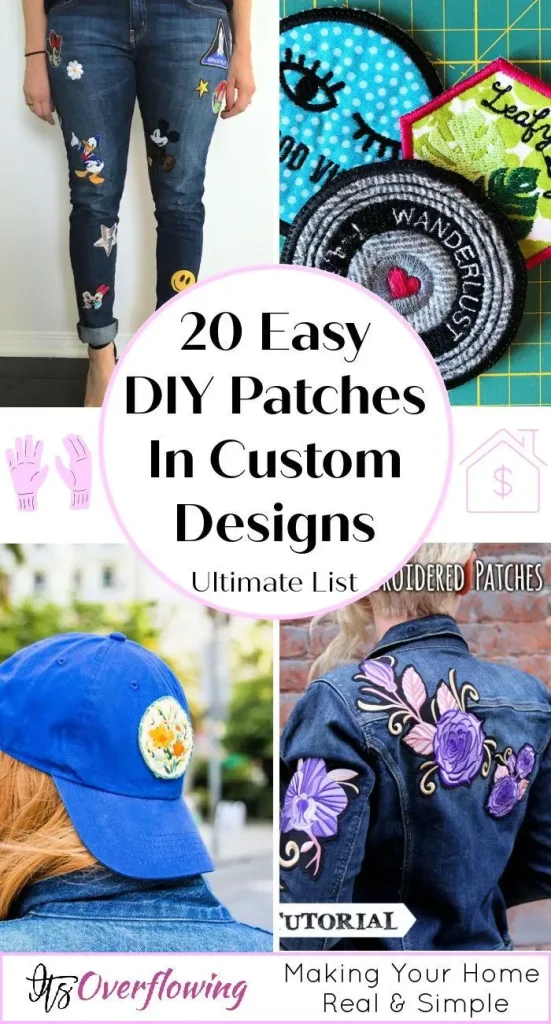
DIY Patches offer a fun, accessible way to update clothing and accessories with personality. Whether you cover a worn knee on jeans or add a playful motif to a backpack, patches provide a practical outlet for creativity, especially with iron-on patches for quick updates. This guide to DIY Patches highlights two installation methods—iron-on patches and sew-on patches—while showing how to tailor patches through patch customization ideas for a truly unique look. From design ideas to care and troubleshooting, you’ll find practical tips to get professional-looking results at home. By the end, you’ll feel confident choosing patches, applying them correctly, and turning plain fabrics into standout pieces with custom patch design that reflects your personal style.
DIY Patches: Quick Updates with Iron-On Options
For a fast refresh, iron-on patches are your go-to. These patches come with heat-activated adhesive backing that adheres to fabric when pressed with a hot iron. They’re quick, convenient, and especially friendly to beginners who want immediate results on jeans, jackets, or backpacks. When planning, consider patch customization ideas to keep the look cohesive, such as repeating motifs or a color-gradient approach.
To get the best results with iron-on patches, prep your fabric by washing and drying first, lay flat on an ironing board, and use a pressing cloth. Position the patch shiny-side down, apply firm pressure for 15-20 seconds, and then check adhesion. For extra durability, you can add a few hand stitches around the edge or a thin border with matching thread—simple patch customization ideas that elevate a quick update into a polished piece.
Sew-On Patches: Durable, Handmade Appeal for Heavier Fabrics
Sew-on patches deliver lasting durability, ideal for heavy denim, leather, or canvas. Since the patch relies on stitching rather than adhesive, you can place it on areas with high wear and friction with confidence. This method suits people who want a handmade aesthetic and a patch that refuses to peel away over time.
Start by planning the stitch path, choosing a tight backstitch or a neat satin stitch around the edge. Use pins to hold the patch, choose matching or contrasting thread, and stitch slowly for even tension. This approach aligns with patch customization ideas that emphasize texture, borders, and a handcrafted look.
Patch Customization Ideas: Color, Layering, and Texture
Patch customization ideas bring character to any garment. Layer multiple patches of varying sizes and textures to create a collage that tells a story, whether it’s music, travel, or pets. Mixing velvet, felt, or leather patches with standard cotton ones adds tactile interest and visual depth.
Build a cohesive narrative by repeating motifs in a palette—think a gradient of hues or a recurring symbol in different scales. Small embroidery accents around the edges can highlight the design and contribute to a deliberate, editorial feel.
Custom Patch Design: From Concept to Cohesive Wardrobe
Custom patch design starts with a concept—define a few motifs, a color family, and a storytelling angle. Sketch ideas on paper or a digital board, then translate your favorite designs into patches that can be used across multiple garments for a coordinated wardrobe.
Plan a small collection with consistent shapes, backdrops, or color tones so items mix and match. This systematic approach makes it easier to apply patches, whether you’re using iron-on patches or sew-on patches, and helps your patch design feel intentional rather than random.
Choosing Materials and Fabrics for Iron-On vs Sew-On
Fabric decisions guide whether you reach for iron-on patches or sew-on patches. Lighter fabrics like T-shirts and hoodies respond well to iron-on options, while thick denim or canvas can tolerate sewing more reliably. Consider the theme, patch size, and the garment’s wash routine when selecting patches.
Before applying patches, pre-wash fabrics to prevent post-application shrinkage. Compare adhesives’ compatibility with your fabric and note that some fabrics require a pressing cloth or extra reinforcement with stitching. With the right materials, both iron-on patches and sew-on patches deliver durable, professional-looking results.
Maintenance and Troubleshooting for Patch Projects
Maintenance tips help patches stay fresh. Turn garments inside out when washing, use gentle cycles, and avoid high heat that can weaken adhesives or distort fabrics. If you need to re-iron a patch, use a low-heat setting and a protective cloth.
Troubleshooting common issues—peeling edges, misalignment, or fraying stitches—often comes down to preparation and technique. Re-press edges, re-sew loose stitches, and adjust placement in future projects. With mindful care, your patches will continue to look intentional and well-crafted.
Frequently Asked Questions
What are DIY Patches and how do iron-on patches work?
DIY Patches are a fun, accessible way to update clothing and accessories with personality. Iron-on patches use a heat-activated adhesive backing you bond with an iron. Prep the fabric, position the patch shiny-side down, apply heat with a pressing cloth, and let it cool; for extra durability, sew around the edge as part of patch customization ideas.
Are sew-on patches better than iron-on patches for certain fabrics?
Yes—sew-on patches are typically more durable on thick fabrics like denim, leather, or heavy canvas. They require stitching around the edge (backstitches or satin stitches) for a secure finish. On lighter fabrics, iron-on patches are convenient, but you can still reinforce them with stitches as part of custom patch design.
What are some patch customization ideas for a unique custom patch design?
Try patch customization ideas like layering patches for a collage, using color storytelling with complementary hues, adding embroidery accents around edges, creating edging or borders for a crisp look, and mixing textures (velvet, felt, leather) to enhance your custom patch design.
How do I choose patches to create a cohesive DIY patch collection?
Choose a small set of motifs and repeat them in different sizes or colors to establish a unified patch design concept. Consider the garment type, color palette, and a thematic thread (nature, travel, pets) to guide your custom patch design and ensure a cohesive collection.
What are the steps to apply iron-on patches and ensure a durable finish?
Prep the fabric, position the patch, and apply heat with a pressing cloth for 15–20 seconds. Check the edges and re-press if needed. For extra durability, add a few perimeter stitches around the patch as part of patch customization ideas, and wash the item inside out on a gentle cycle.
What common mistakes should I avoid with DIY patches, and how can I troubleshoot?
Avoid overheating fabrics, poor patch placement, and inconsistent stitching, and always secure edges. If a patch starts peeling, re-press and consider stitching around the edge. Practice stitching on scrap fabric to build consistency, and mark placement before applying to prevent misalignment.
| Topic | Summary | Practical Tip |
|---|---|---|
| What are DIY Patches? | Fun, accessible embellishments to update clothing and accessories; can tell a story or reflect personal style. | Start with a simple motif or build a small, cohesive patch collection. |
| Two installation methods | Iron-on patches: heat-activated adhesive; Sew-on patches: stitching for durability. Iron-on is quick; sew-on is more durable and works on heavier fabrics. | Choose based on fabric, wear, and desired durability; plan edge finishing if needed. |
| What you’ll need | Iron-on: clean fabric, iron, pressing cloth. Sew-on: sharp needle, thread, scissors, pins, fabric marker. | Have thread snips, a thimble, and a seam ripper handy. |
| Selecting patches & materials | Lightweight fabrics respond well to iron-ons; thicker fabrics tolerate sewing. Consider color palette and theme for a cohesive look. | Plan motifs that repeat in different sizes or colors for unity. |
| Iron-on step-by-step | Prep the fabric, position the patch, apply heat, finish edges, cool and test. | Pre-wash fabric, use a pressing cloth, and re-press or add perimeter stitches for durability. |
| Sew-on step-by-step | Prep and plan, choose stitch, start stitching, add finishing touches, and secure ends. | Use backstitch or satin stitch; practice on scrap first and secure threads. |
| Design ideas & customization | Layering, color storytelling, embroidery accents, edging, thematic themes, and mixing textures. | Group patches by motif and vary sizes for visual interest. |
| Maintenance & care | Wash inside out on gentle cycle; avoid high heat; air-dry if possible. | Inspect edges regularly and re-sew or re-press as needed. |
| Common mistakes to avoid | Overheating, poor patch placement, uneven stitching, and unsecured edges. | Test heat on scrap, mark placement, and practice stitching before final application. |
Summary
DIY Patches invite you to express your personality by turning ordinary fabrics into unique, wearable stories. This guide highlights two popular methods—iron-on patches and sew-on patches—along with practical design ideas, required materials, care tips, and troubleshooting advice to help you achieve professional-looking results at home. Whether you’re updating jeans, backpacks, or tees, DIY Patches encourages planning, experimentation, and play as you explore texture, color, and motif choices to create cohesive collections or spontaneous accents that reflect your personal style.