
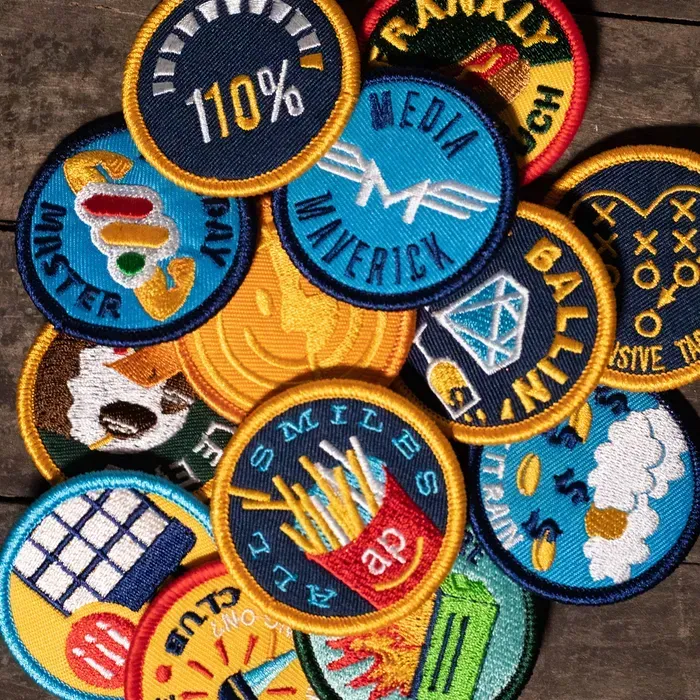
Custom Patches are a versatile branding and identity tool that can elevate a team, club, company, or event. When people see a well-designed patch on a jacket, tote, or uniform, it communicates professionalism, belonging, and attention to detail, reinforcing brand consistency across uniforms and gear. As part of the broader ‘custom patches vs badges’ decision, patches offer tangible durability that other insignia often can’t match across channels and touchpoints. From embroidered patches to iron-on patches and sew-on patches, you can tailor color, shape, and backing to match your badge customization goals, ensuring legibility from a distance and resilience in busy environments. This introductory guide highlights why patch design, backing, and application choices matter for a lasting impression in retail, sports, and corporate settings.
Beyond the term ‘patch,’ these fabric emblems function as portable branding that travels with people on jackets, bags, caps, and more. Think of embroidered, woven, or PVC variants, and how each option like a badge, insignia, or emblem communicates different levels of formality and texture. Whether you call them badges, insignias, or fabric patches, the core idea remains the same: a durable, customizable way to broadcast identity across wearables. The vocabulary may vary, but the impact stays consistent: clear brand messaging, consistent visuals, and long-term recall.
1. Custom Patches vs Badges: Elevate Brand Identity Through Custom Patches
Custom Patches offer more than a decorative touch; they’re a powerful branding tool that communicates professionalism, belonging, and attention to detail. By choosing true Custom Patches, you can tailor shape, size, thread color, edge finish, backing, and stitch density to reflect your brand’s aesthetics—something generic badges often can’t capture. This level of badge customization allows you to tell your story precisely, whether you want a traditional embroidered feel or a modern, glossy look that stands out in crowds.
Compared with traditional badges, Custom Patches stand out for their durability and versatility. They’re designed to be applied to uniforms, bags, hats, and accessories, with enough flexibility to scale for small clubs or large corporate teams. The result is a lasting impression that reinforces identity, cohesion, and pride, turning brand moments into tangible, wearable branding.
2. Embroidered Patches: The Classic, Premium Look for Uniforms and Gear
Embroidered Patches are the traditional, recognizable choice that delivers crisp lines, true color depth, and a premium tactile feel. The dense stitching provides durability, making them ideal for uniforms and outdoor gear where constant wear and washing occur. For brands seeking a timeless, professional appearance, embroidered patches offer a durable solution that maintains its shape and color over years.
The embroidery’s texture and dimensionality convey quality, with stitching density and color fidelity playing key roles. While embroidery can be heavier and pricier for very small designs, it remains the benchmark for classic patch aesthetics and longevity, aligning perfectly with badge customization goals that emphasize craftsmanship and tradition.
3. Iron-On Patches: Quick Deployment and Easy Branding for Large Teams
Iron-On Patches bring speed and convenience to branding—an attractive option when you need rapid deployment across many garments. The heat-activated adhesive backing bonds with heat and pressure, enabling fast branding for events, teams, or time-sensitive campaigns. This method supports rapid rollouts without the need for sewing expertise, making it a popular choice for beginners and organizations seeking speed.
However, iron-on patches can have limitations over time, especially with repeated washing or exposure to high heat. For heavier fabrics or frequent laundering, a combination approach or opting for sew-on backing may deliver more reliable adhesion. Still, when used thoughtfully, iron-on patches remain an effective tool in the badge customization toolbox for quick, broad-brush branding.
4. Sew-On Patches: The Ultimate Durable Choice for High-Wear Garments
Sew-On Patches are favored for their robustness and reliability across a wide range of fabrics. By stitching the patch to the garment, you achieve a durable bond that resists peeling and flaking—an ideal choice for workwear, sports uniforms, and other high-wear applications. This method aligns with badge customization goals that prioritize longevity and a traditional, authentic look.
Application takes more time than iron-on, but it pays off in long-term durability. Sew-on patches are especially suitable when professional patching or machine stitching is available, ensuring a secure fit on heavy fabrics or items subjected to frequent laundering. For brands prioritizing enduring identity, sew-on patches are a dependable solution.
5. Design and Finishing Details: Edges, Backings, and Color Fidelity for Maximum Impact
Design choices such as edge finishes (merrow, satin) and backing options significantly influence the patch’s look and wear. Neat edging prevents fraying and creates a professional silhouette, while backing selection—whether iron-on, sew-on, or adhesive—affects ease of application and durability. Paying attention to color accuracy, including Pantone-matched threads, ensures your patch reflects your brand precisely, which is central to effective badge customization.
Beyond aesthetics, practical considerations matter: patch size, shape, detailing, and fabric compatibility all impact performance. Fine details may need simplification at smaller scales, and backing compatibility should match garment weight and weave. Thoughtful design and finishing choices yield patches that perform well in real-world use and reinforce brand promise with consistency.
6. Choosing a Patch Vendor: Quality, Capacity, and Badge Customization Support
Selecting the right partner is essential for achieving high-quality Custom Patches. Look for vendors that demonstrate strong quality control, varied backing options, and a transparent materials list. Request samples to assess texture and color fidelity, and review turnaround times and minimums to ensure they align with your project scope—from small runs to large orders.
A good patch vendor also provides design support, proofing, and color matching to align patches with your brand identity. Consider the ability to scale production, offer reliable pricing for different order sizes, and provide guidance on backing, edge finishes, and stitch density. With the right vendor, you can realize your badge customization goals—from initial concept to finished patches that endure wear and celebrate your brand.
Frequently Asked Questions
What are Custom Patches and how do they compare to badges in badge customization?
Custom Patches are fabric-based emblems produced with embroidery or printing on a fabric backing, finished with an adhesive, iron-on, or sew-on option. They offer deep customization—shape, size, colors, and backing—that lets you match your brand precisely, often delivering a more durable and versatile branding solution than generic badges.
How do embroidered patches differ from iron-on patches when designing Custom Patches for uniforms?
Embroidered patches feature tightly stitched threads for crisp lines and color depth, delivering a premium, durable feel. Iron-on patches provide fast, no-sew branding via heat-activated adhesive, ideal for quick deployment but may be less durable with frequent washing or on heavier fabrics.
Are sew-on patches more durable than iron-on patches for long-lasting badge customization?
Sew-on patches are typically the most durable option for long-lasting badge customization, as they are stitched directly to the garment. They require more time to apply but excel on high-wear items and fabrics where adhesive may fail.
What backing options should I consider for Custom Patches when choosing between iron-on and sew-on applications?
Backing options include iron-on, sew-on, or a combination. For items that endure frequent washing or heavy wear, sew-on or mixed methods offer greater security. Consider fabric type, garment weight, and heat tolerance when selecting backing and edge finishes (merrow or satin).
How does badge customization with embroidered patches influence brand identity versus other patch types?
Badge customization with embroidered patches communicates quality and brand heritage through texture, color fidelity, and precise shapes. Patches tell a story beyond simple logos, helping you stand out from other patch types like PVC or woven options while maintaining cohesion across gear.
What should I look for when ordering Custom Patches for a sports team or organization?
When ordering Custom Patches, prioritize quality control, materials (threads, backing), turnaround times, minimums, and color matching proofs. Choose a vendor that offers design support and clear proofing to ensure your patches align with your brand aesthetics and perform well on team gear.
| Topic | Overview | Details |
|---|---|---|
| What are Custom Patches? | Fabric-based emblems created via embroidery or printing; customizable shape, size, backing; durable branding. | Core advantage: customization; tailored to brand aesthetics; signals professionalism and belonging. |
| How they differ from other badges? | Key differentiators | Customization depth, durability, and versatility; adaptable to fabrics and uses; scalable production for startups, sports clubs, corporate teams, and charities. |
| Types of Patches | Common types | Embroidered Patches: tightly stitched; premium look and durable. Iron-On Patches: heat-activated backing; quick branding. Sew-On Patches: stitched to fabric; highly durable. |
| Other Notable Patch Types | PVC, woven, high-gloss variants | Different textures and price points; core decisions still revolve around embroidered vs iron-on or sew-on. |
| Custom Patches vs Other Badges | What makes them stand out? | 1) Customization depth 2) Durability and longevity 3) Brand storytelling 4) Versatility of use 5) Inventory efficiency. |
| Backing Options | Significant to performance and application | Iron-On backings: quick branding; Sew-On: long-term durability; combinations can work well. |
| Durability, Care, and Maintenance | Quality patches last with proper care | Gentle washing, avoid high heat for iron-ons, air dry; sewn patches last longer with routine maintenance. |
| Design Considerations | Design principles for impact | Color and contrast; Pantone-matched threads; Detail and scale; Edge finish; Backing compatibility. |
| Choosing a Patch Vendor | Selecting the right partner | Quality control, materials, sample kits; Turnaround time and minimums; Brand alignment and design support. |
| Use Cases and Applications | Where patches shine | Sports teams and clubs; Corporate branding; Nonprofits and events; Fashion and lifestyle brands; Education and schools. |
| Design and Production Tips | Tips for success | Start with a strong logo; test color accuracy; balance cost and quality; plan for wear and laundering. |
Summary
Custom Patches are a versatile branding solution that communicates identity and quality across apparel and accessories. This descriptive conclusion highlights how they offer customization, durability, and broad application, enabling teams, clubs, corporate brands, and events to project a cohesive image. By understanding patch types, backing options, and production considerations, organizations can choose solutions that look great and stand the test of time. If you’re aiming to elevate your visual identity, Custom Patches provide a compelling route to stand out and connect with your audience in a lasting way.