
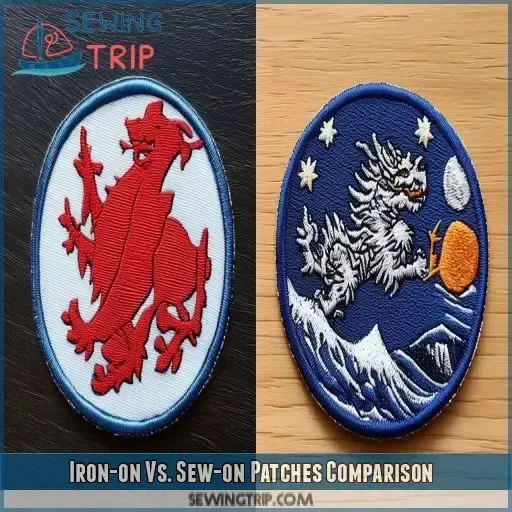
Iron-On vs Sew-On Patches set the stage for a practical comparison of how design choice, heat, and fabric interact to shape project outcomes. Whether you’re patching a budget jacket, a backpack, or a set of custom patches for your line, understanding the core differences can save you time and trouble. iron-on patches offer speed and simplicity for quick decorations, but their longevity on busy fabrics may hinge on careful application and proper care. Sew-on patches provide a traditional, durable option, and sew-on patches tend to hold up well across a wide range of fabrics. In this guide, you’ll discover key factors, compatibility considerations, and practical patch application tips to help you decide which approach best suits your project.
From an alternative perspective, think of adhesive-backed patches versus stitched embellishments, with heat-activated backing offering a fast initial bond and traditional stitching delivering structural longevity. For makers of custom patches, this framing helps prioritize fabric compatibility and laundering expectations. When the design hinges on speed, adhesive-backed options enable rapid deployment, while stitched patches shine in durability and rugged aesthetics. To maximize longevity, consider a light reinforcement such as a finishing edge stitch or top coating, addressing patch durability and care over time.
Iron-On vs Sew-On Patches: A Practical Comparison for Your Project
Choosing between iron-on patches and sew-on patches isn’t just about speed; it shapes durability, how the patch feels on fabric, and how you’ll care for it over time. Whether you’re decorating jackets, backpacks, hats, or launching a line of custom patches, a solid grasp of how each method works helps you predict performance and the finished look.
Iron-on patches rely on a heat-activated adhesive that bonds to the fabric when heat is applied, while sew-on patches are stitched along the edge. The choice affects fabric compatibility, wash durability, and the level of edge security you’ll see in daily wear, so weigh your material and usage before deciding. For projects involving a brand or product line, both patch durability and care considerations should guide your selection.
Fabric Compatibility and Patch Durability Across Materials
Fabric compatibility and patch durability vary by material. Iron-on patches adhere best to fabrics with a tight weave, while delicate knits or coated textiles may challenge adhesion; durability also depends on washing heat and abrasion. Understanding these nuances helps you choose the right method for each fabric in your collection.
Durability across materials matters: denim and canvas generally tolerate sewing well, leather can benefit from stitching security, and certain fabrics may respond differently to heat-activated adhesives. Plan care accordingly to maintain patch integrity across fabrics, and consider edge reinforcement on high-friction surfaces to extend life.
Patch Application Tips: Iron-On and Sew-On Techniques You Can Trust
Patch Application Tips for iron-on techniques start with a clean, flat surface. Preheat the iron to the recommended temperature (no steam), place a thin cloth or parchment over the patch, and press firmly for 15–30 seconds, applying even heat over the entire patch. Allow the patch to cool fully before handling, and if edges lift, re-press or add a light sewing stitch around the edge for extra security.
For sew-on patches, position the patch and secure with pins or light fabric glue to prevent shifting. Use a straight stitch or zigzag stitch around the outer edge, matching the thread color to the garment. For extra durability, add a second line of stitching just inside the edge or around any decorative elements, then trim loose threads and give a quick press after stitching.
Custom Patches for Branding: Design, Production, and Longevity
Custom patches play a key role in branding, team identity, and merchandise. When choosing between iron-on patches and sew-on patches for branding, consider the intended audience and laundering needs. Leather, canvas, and heavy textiles often benefit from sew-on for longevity, while iron-on can deliver quick-turn results and cost efficiency for limited runs or event merchandise.
Design decisions influence edge detail, embroidery sharpness, and overall durability. For long-term branding, plan production scale and test patches on representative fabrics. Regular care and appropriate patch durability and care practices help preserve the brand’s appearance, especially for wash-heavy products like uniforms or outerwear.
Maintenance and Care: Extending Life of Iron-On and Sew-On Patches
Maintenance starts with proper care for each patch type. For iron-on patches, follow the manufacturer’s heat recommendations, typically using a medium heat setting with no steam, and allow patches to cool fully before washing. Turning garments inside out reduces abrasion, and avoiding high-heat tumble drying helps preserve adhesive integrity.
Sew-on patches require diligent edge inspection after washing. Hand or machine stitch around the perimeter, using a thread color that blends with the garment, and resecure any loose stitches as needed. General tips include testing a patch on an inconspicuous area first and, for mixed fabrics, reinforcing iron-on patches with a light stitch around the edges for added security.
Time, Budget, and Production Decisions for Patches: When to Patch, When to Fold
In production planning, speed versus longevity matters. Iron-on patches can reduce labor and speed up large runs, but may incur more replacements if edges lift after frequent washing. Consider your patch library, target pricing, and anticipated laundering patterns to evaluate total cost of ownership and long-term viability.
A hybrid approach often offers a practical balance: use iron-on for quick customization and sew-on for high-use areas or where durability is critical. Test patches on representative fabrics, gather end-user feedback, and plan for scalability to ensure your patches meet both design goals and wear-and-care expectations.
Frequently Asked Questions
What are the key differences between iron-on patches and sew-on patches for custom patches, and how do they affect patch durability and care?
Iron-on patches use a heat-activated adhesive for a quick bond, ideal for lightweight to midweight fabrics and fast custom patches. Sew-on patches rely on stitching, offering greater durability across a wider range of fabrics. For custom patches, consider fabric type, expected wear, and how you’ll care for the item; plan for edge reinforcement or post-application stitching if durability is a priority.
How durable are iron-on patches versus sew-on patches in everyday wear, washing, and general patch durability and care?
Sew-on patches generally endure frequent washing and heavy use better than many iron-on patches, especially on rugged fabrics. Iron-on patches can lift with high heat or repeated washing, so care includes washing inside out and avoiding high-heat dryers, or reinforcing edges with a light stitch for extra protection.
What are essential patch application tips for applying iron-on patches and sew-on patches on different fabrics?
For iron-on patches, test on a small area, use the recommended heat, a protective cloth, press firmly for 15–30 seconds, and let cool fully. For sew-on patches, pin or glue lightly to prevent shifting, stitch around the edge with thread matching the fabric, and consider a second inner line of stitching for durability.
Can I use iron-on patches with sew-on patches in the same project, and when is this hybrid approach best?
Yes. Use iron-on patches for quick main designs on fabrics that tolerate heat, and reserve sew-on patches for high-wear areas, edges, or when you need extra durability. A hybrid approach often balances speed and longevity in custom patches or brand merchandise.
Which fabrics perform best with iron-on patches versus sew-on patches, and how does fabric type affect patch durability and care?
Iron-on patches work well on tightly woven fabrics and smoother surfaces, while sew-on patches are versatile across denim, canvas, leather, and heavy textiles. Delicate knits or coated fabrics may fare better with sew-on. Always consider fabric durability and care needs when choosing the patch method for custom patches.
What care steps keep iron-on patches secure and sew-on patches lasting longer during wash cycles?
For iron-on patches, follow manufacturer heat guidelines, avoid steam, and let patches cool completely before washing; turn garments inside out to reduce abrasion. For sew-on patches, reinforce with stitching, use color-matching thread, and recheck edges after washing. In all cases, test on an inconspicuous area first and tailor care to the garment’s fabric and expected wear.
| Aspect | Iron-On Patches | Sew-On Patches |
|---|---|---|
| Application Method | Heat-activated adhesive backing; bond with iron/heat; no sewing. | Needle-and-thread perimeter stitching; no heat or glue. |
| Fabric Compatibility | Best on tightly woven fabrics; not ideal for delicate knits or fabrics that burn. | Very versatile across denim, canvas, leather, twills, and many textiles. |
| Durability under Washing | Holds well under normal wear; edges may lift with repeated washing/high heat. | Generally more durable with frequent washing; edges stay secure when properly stitched. |
| Application Time & Skill | Quick; beginner-friendly; no sewing required. | Takes longer; requires sewing skill or a sewing machine. |
| Aesthetics & Edges | Cleaner edge with fewer visible stitches; heat distortion possible on some designs. | Traditional look with visible edges; preserves subtle embroidery and borders. |
| Best Use Case | Quick updates, temporary decorations, starter projects, brand merchandise. | Durable branding on workwear/bags; heavy use items; leather/denim-friendly. |
Summary
Iron-On vs Sew-On Patches: Choosing between these methods comes down to the fabric, expected wear, and care. Iron-On patches offer speed and ease for lightweight or temporary decorations, while Sew-On patches provide lasting durability across a wide range of fabrics and conditions. Consider compatibility, washing needs, desired look, and time constraints to pick the best option for your project. A hybrid approach—iron-on for quick customization and sew-on for reinforcement in high-use areas—often provides a practical balance of convenience and longevity.