
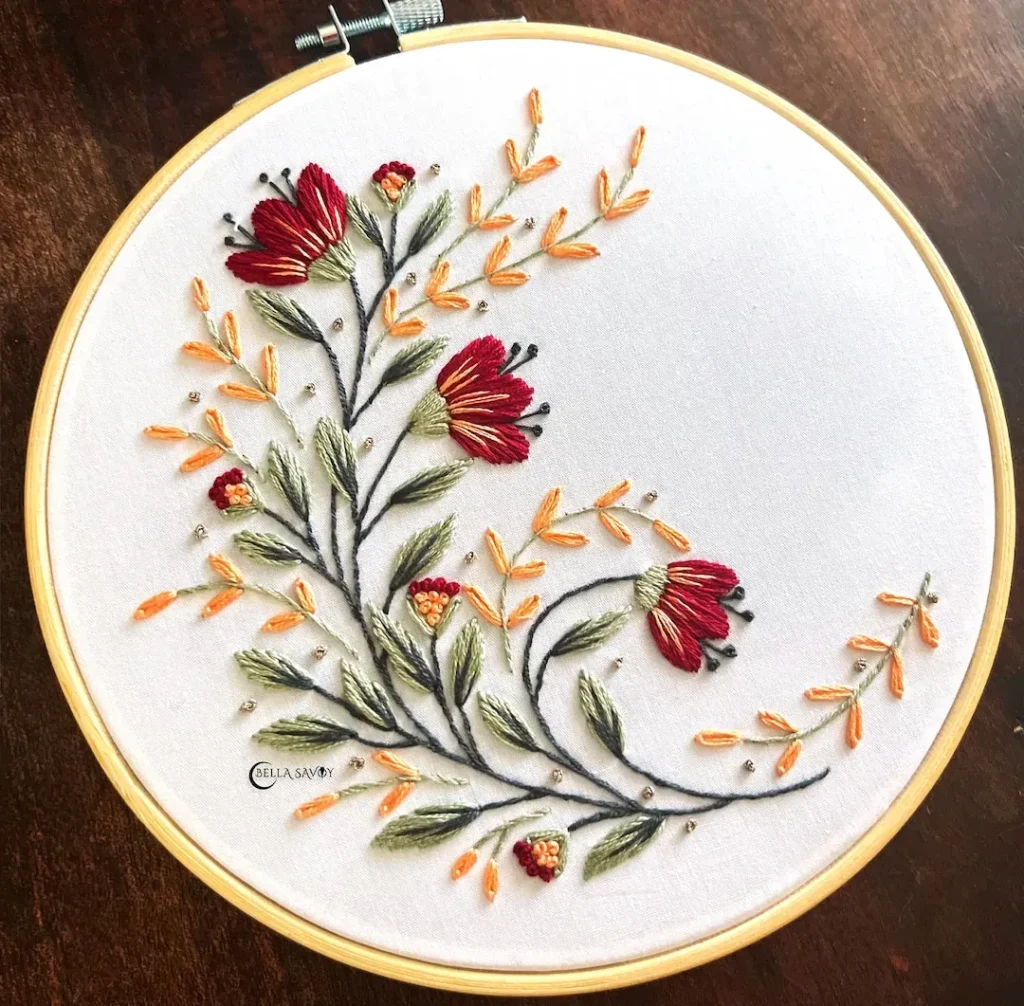
Embroidered Design is more than a decorative craft—it’s a language of stitches, textures, and color that brings fabric to life. When you combine thoughtful embroidery patterns with carefully chosen threads, you unlock beautiful results that elevate everyday textiles into long-lasting keepsakes. This guide explores how to approach Embroidered Design from pattern selection to finishing touches, so you can create pieces that are visually stunning and structurally sound. From pattern planning to finishing touches, you’ll discover how density, spacing, and balance influence the final look. With patience and practice, you’ll gain confidence and joy in your stitching journey.
In other words, this craft is a thread-based fabric decoration, where careful planning and patient handwork create texture and life. Think of it as stitched textile art—a practice that blends motif planning with tactile thread effects to enhance clothing, linens, and home fabrics. Whether you call it needlework or decorative stitching, the core ideas connect to pattern choices and the right embroidery threads. Translate designs from idea to fabric using embroidery stitches to add texture and structure. By aligning concept with technique and color, you’ll create pieces that look intentional, cohesive, and built to stand the test of time.
Embroidered Design: Pattern Selection and Transfer for Striking Results
In Embroidered Design, pattern selection serves as the blueprint for every stitch. When choosing embroidery patterns, evaluate your skill level, how the motif will read on fabric, and the rhythm you want—repetition can create harmony while a single focal element anchors the piece. Consider fabric compatibility, because light fabrics like linen or cotton blends respond best to delicate embroidery patterns and provide a clear canvas for texture.
Transferring patterns to fabric is a practical skill. Use tracing paper, transfer pens, or modern iron-on methods, ensuring the lines stay clear but not bulky under your stitches. Always test transfer methods on a scrap fabric before committing to your final piece to prevent misalignment and puckering when you begin stitching with embroidery stitches.
Tools and Threads: Choosing Embroidery Threads and Essential Equipment
Threads are the lifeblood of embroidery. The texture, sheen, and diameter of your embroidery threads influence the final look; cotton embroidery floss, stranded cotton, and pearl cotton provide range from delicate lines to bold fills, while metallic threads add sparkle with careful handling.
Tools like embroidery hoops or frames keep fabric taut, reducing distortion; choose a sharp needle suitable for the fabric and a comfortable grip to maintain precise stitches over long sessions.
Techniques and Stitches: Building Texture with Embroidery Techniques
The techniques you choose shape both texture and readability of your embroidery. Foundational stitches—running stitch, backstitch, and split stitch—outline forms and base fills, while satin and long-and-short fills create smooth surfaces. Decorative stitches like French knots, seed stitches, lazy daisy, and chain stitches add movement, and layering with varying thread weights builds depth.
Layering and shading bring a design to life, and it’s important to practice on fabric swatches to understand how each stitch behaves with your chosen threads and fabric. As you gain experience, combine multiple embroidery techniques to achieve richer texture and more realistic shading.
Color Theory and Pattern Balance in Embroidery Design
Color theory is a powerful ally in embroidery design. Use complementary colors for vibrant contrast, analogous colors for harmonious blends, or monochrome palettes to emphasize texture over hue. Consider how embroidery patterns interact with negative space—the unstitched areas that act as visual breathers—so the composition feels balanced and legible.
When applying color, start with a limited palette and gradually expand as confidence grows. Test color combinations on a fabric swatch before committing to the full piece, ensuring the embroidery patterns enhance rather than overwhelm the design.
Practical Tips: Hand Embroidery Tips, Transfers, and Finishing
Preparation sets the stage for success. Wash and press the fabric before stitching, and use a stabilizer if the weave is very loose. Keep stitches uniform by measuring thread length and managing tension, and use a hoop or frame to maintain taut fabric throughout the project.
Finishing touches matter just as much as the stitching. Secure threads by weaving tails into the back with small stitches, then trim excess threads neatly. Wash gently or dry clean as recommended for the fabric, and press from the back with a clean cloth to preserve stitch integrity before framing or mounting for display.
Blending Hand and Machine Embroidery for Rich Texture
Many projects benefit from a hybrid approach where machine embroidery lays the precise base motif and hand embroidery stitches add texture and subtle shading. This combination leverages the strengths of embroidery techniques and the precision of machine work, producing consistent patterns with unique, tactile detail.
Finish with thoughtful care and mindful tension control to prevent puckering and ensure durability. Explore project ideas like combining machine-stitched fills with hand-stitched accents on pillows, totes, or wall hangings to practice the full range of embroidery stitches and techniques.
Frequently Asked Questions
What is Embroidered Design and why is pattern selection important?
Embroidered Design is a language of stitches, textures, and color that can bring fabric to life. In Embroidered Design, pattern selection sets the rhythm of the piece, guiding your embroidery patterns by considering skill level, fabric compatibility, and balance.
How do I choose embroidery patterns for Embroidered Design on different fabrics?
The heart of Embroidered Design is the pattern. For lighter fabrics, start with simple embroidery patterns and delicate motifs; for heavier fabrics, you can use bolder embroidery patterns. Also consider fabric and hoop compatibility, repetition, and balance when selecting embroidery patterns.
What embroidery threads should I use for Embroidered Design and how do they affect the result?
Threads are the lifeblood of Embroidered Design. Choose cotton embroidery floss, stranded cotton, or pearl cotton for different coverage, weight, and sheen. Plan a cohesive color harmony and test color combinations on a swatch before stitching; handle metallic embroidery threads carefully to maintain luster.
Which embroidery techniques and stitches are essential for Embroidered Design?
Foundational embroidery techniques shape texture and readability in Embroidered Design. Use basic stitches like running, backstitch, and split stitch for outlines, then satin or long‑and‑short fills for smooth surfaces; decorative stitches such as French knots, seed stitches, lazy daisy, and chain stitches add dimension. For hand embroidery tips, maintain consistent tension and a relaxed grip as you layer and shade.
How can I transfer embroidery patterns to fabric for Embroidered Design?
Transferring patterns is practical in Embroidered Design. Use tracing paper, transfer pens, or modern iron-on methods to transfer embroidery patterns, then test on scrap fabric to ensure lines are clear but not bulky under stitches.
What are finishing touches and care steps for Embroidered Design projects?
Finish Embroidered Design pieces with neat back-stitched tails, trim threads, and press from the back with a clean cloth. Follow fabric care guidelines when washing, and consider framing or mounting to prevent distortion; ongoing attention to stitches and technique will help preserve the embroidery stitches over time.
| Aspect | Key Points |
|---|---|
| Pattern Selection |
|
| Threads and Tools |
|
| Techniques and Stitches |
|
| Pattern and Color Theory |
|
| Hand Embroidery Tips and Practical Advice |
|
| Machine vs Hand Embroidery |
|
| Finishing Touches and Care |
|
| Project Ideas |
|
Summary
Conclusion: Embrace the Craft of Embroidered Design
Embroidered Design invites creativity, technical skill, and a personal touch to fabric art. By selecting thoughtful patterns, choosing the right embroidery threads, and mastering essential techniques and stitches, you can produce pieces that are not only beautiful but durable. Whether you’re sewing by hand or using a sewing machine for the base motif, the blend of patterns, threads, and techniques paves the way to stunning results. With patience, practice, and a willingness to experiment, your Embroidered Design journey will be rich with learning and success.