
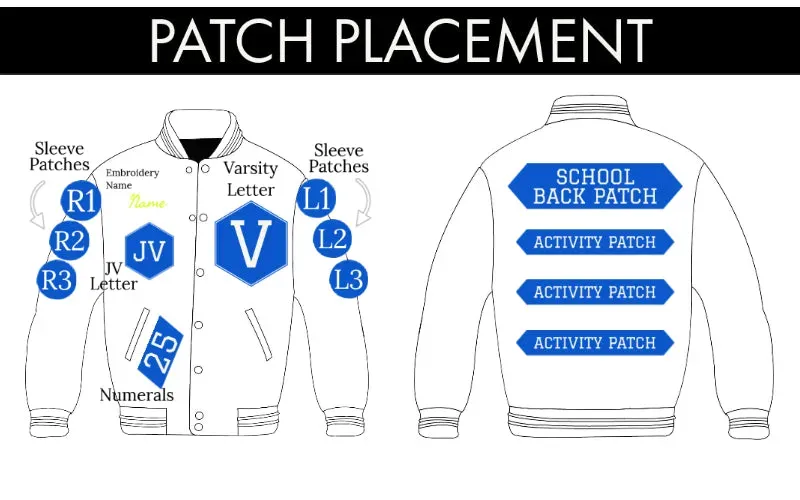
Patch placement guide is more than a stylistic move; it’s a conscious design decision that can transform a simple garment into a personal statement. When you plan your patches, you consider the overall layout, balance, color interactions, and the way textures tell your story across different pieces. A thoughtful approach helps denim, leather, or fabric items feel cohesive rather than collage-like, turning every seam into an intentional design decision. The goal is to guide the eye, maintain wearability, and keep care considerations in mind as you experiment. By the end, you’ll have a framework you can adapt for various garments and occasions, grounded in mindful, durable embellishment.
In practice, this craft becomes a balance between personal expression and garment performance. Think of patch placement ideas as a toolkit for shaping attention: you can anchor a bold focal point on a back panel, echo it with complementary pieces along the sleeves, or create a tidy grid across the chest. The underlying rules resemble classic design principles: maintain proportion, respect movement, and let color relationships guide the story rather than compete with it. When applying patches, consider the fabric type and the garment’s function—denim’s sturdy surface welcomes larger appliqués, while lighter fabrics benefit from lighter textures and careful edge finishing. For denim in particular, scanning for seams and avoiding irritation near joints helps longevity; the goal is cohesion, not crowding. If you want a more minimal vibe, a restrained cluster near the pocket or along a shoulder can read as deliberate rather than busy. Over time, your choices can evolve into a signature look that reflects your life, travels, and preferences, while keeping care and washing at the forefront.
Patch Placement Fundamentals: Rhythm, Scale, and Movement
Patch placement is more than where patches sit; it’s about creating rhythm, balance, and visual flow across the garment. By considering size, color, texture, and spacing, you guide the eye and establish a deliberate reading order from distance to close-up. This is where the idea of patch placement ideas becomes practical: you design a sequence that feels cohesive rather than chaotic, ensuring each patch has a purpose within the overall composition.
A well-planned layout also respects movement and wear. Avoid clustering patches over high-stress zones or seams that bend excessively, which can cause edges to lift over time. By thinking in terms of scale variation, negative space, and alignment, you craft a polished look that remains comfortable and durable through washing and daily wear, aligning with jean patch placement guidelines and general patch strategy.
Patch Placement Ideas for Denim, Jackets, and Bags
Denim serves as a versatile canvas for creative exploration. When selecting patch placement ideas for denim, start with a bold anchor on the back or chest and echo that motif with smaller patches along the sleeves or pockets. This approach builds a narrative while preserving the garment’s structure and movement.
For jackets, vests, backpacks, and totes, adapt the rhythm to the item’s geometry. A vertical line of patches along the front panel or a centered back motif can read as deliberate, while a diagonal scatter or mirrored clusters on sleeves offers a more dynamic energy. If you’re unsure where to put patches, experiment with alignment along seams, zippers, and pocket edges to keep wearability intact.
Patch Placement Guide: Where to Put Patches on Denim, Jackets, and Bags
Patch placement guide: begin by defining a focal point and then build outward with smaller accents. Start with a large, meaningful patch in a stable area like the back panel or chest, then plan accompanying patches to balance the composition across the garment. This method helps ensure the final look reads as intentional rather than accidental.
Next, map the spacing with a light grid. Use pins or removable markers to test the layout before sewing or ironing patches in place. Throughout the process, keep sightlines in mind—patches along the height of a jacket or the length of a backpack should align with typical viewing angles to reinforce a cohesive, purposeful design.
How to Place Patches on Denim: Denim-Specific Techniques
How to place patches on denim begins with a strong focal point. A large patch on the back or chest anchors the design, while smaller patches on the sleeves or hips echo the main motif. Jean patch placement guidelines emphasize balancing weight and avoiding patches directly over major seams to maintain comfort and fit.
Denim’s sturdy surface supports multiple attachment methods, from sew-on to iron-on and even lightweight adhesives. For longevity, sew patches around the edges and reinforce high-movement zones. Mixing textures—embroidered patches with woven or leather patches—adds depth and helps the arrangement age more gracefully with wear.
Patch Styling Tips: Creating a Cohesive Look
Patch styling tips emphasize a purposeful color story and a consistent theme. Choose a unifying idea (travel, music, nature) and translate it through a cohesive palette so disparate patches feel curated rather than random. This approach aligns with the concept of patch placement ideas while ensuring your garment communicates a clear personal message.
Rhythm and restraint are your allies. Alternate patch sizes to create a visual beat, and intentionally leave negative space to let key patches breathe. If text appears, pair it with icons or motifs to avoid clutter and maintain readability, especially on denim where embroidery and print textures interact in bold ways.
Maintenance and Longevity: Caring for Your Patch-Enhanced Garments
Keeping patches looking fresh requires mindful care. Always follow patch-specific instructions—iron-on patches may demand lower heat and shorter cycles, while sewn patches benefit from reinforced stitching around the edges. Turn garments inside out for washing to minimize abrasion and preserve the integrity of threads and fabrics.
Over time, you may notice edges lifting or patches shifting. Re-securing edges with a simple stitch or applying a light stabilizer behind the patch can extend wear, especially on high-movement areas like elbows or knees. Regularly inspecting the arrangement helps you maintain the intended balance and keeps your patch styling looking intentional and durable for years.
Frequently Asked Questions
What patch placement ideas does the Patch placement guide suggest for a denim jacket?
Start with a bold focal point on the back panel, then echo smaller patches on the yoke or sleeves to create rhythm. Plan your layout before sewing, measure spacing for balance, and secure patches around the edges to prevent lifting.
Where to put patches on denim according to jean patch placement guidelines?
Begin with a focal point on the back or chest, then balance visual weight by adding smaller patches on the opposite shoulder or along the sleeves. Avoid placing patches directly over major seams or pockets, and mix textures and colors for depth.
What patch styling tips does the Patch placement guide offer to blend patches into a cohesive look?
Choose a unifying theme and color palette to turn disparate patches into a curated collection. Vary patch sizes to create rhythm, leave negative space for emphasis, and pair text patches with simple motifs to keep the design readable.
How to place patches on denim according to the Patch placement guide?
Plan the arrangement first, then lay patches out and photograph the layout from multiple angles. Measure spacing for consistency, test wear, and sew or attach patches securely to prevent lifting; follow care labels to maintain the look.
Where to put patches on a backpack or bag as outlined in the Patch placement guide?
Position patches along a vertical front panel or a zipper-facing row where they won’t cover features such as straps or pockets. Use mid-sized patches for the main body and small patches as borders or corner accents to create a cohesive yet dynamic look.
What common mistakes should be avoided according to jean patch placement guidelines in the Patch placement guide?
Avoid overcrowding, mismatched patch scales, and placing patches over high-movement areas or seams. Don’t ignore care instructions; reinforce edges on heavier patches and ensure edges align in a deliberate, balanced way.
| Aspect | Key Points |
|---|---|
| Purpose | Patch placement creates cohesion and focal points; a well-planned layout reduces overlap with seams and prevents patches from lifting during washing. |
| Basics | Pattern, color, size, and texture influence how patches read from a distance. A balanced arrangement reads polished, while a playful scatter can feel edgy. The goal is rhythm across the garment surface and to avoid patches overlapping major seams or interfering with movement. |
| Garment Ideas (Denim/Jackets/Backpacks) |
|
| Denim Patch Placement Guidelines |
|
| Practical Steps |
|
| Patch Placement for Jackets, Jeans, and Bags: Real-World Scenarios |
|
| Patch Styling Tips: How to Blend Patches into a Cohesive Look |
|
| Common Mistakes to Avoid |
|
| Maintaining Your Patch Look |
|
| Conclusion (Key Takeaway) |
A well-executed patch placement guide turns ordinary garments into a canvas for personal storytelling. By considering garment type, patch size, color, and texture, and following practical steps for placement, you can achieve patches-on denim or patches on jackets that look intentional and stylish. Whether you’re exploring patch placement ideas for a bold back-center focal point or a subtle row along a sleeve, the key is balance, planning, and care. With practice, your patch styling tips will evolve into a signature look that feels authentically you. |
Summary
Patch placement guide is a powerful framework for transforming ordinary garments into personal statements. It emphasizes planning, balance, and care as you choose garment type, patch size, color, and texture. By treating patches as design elements rather than random marks, you can create cohesive looks that read well from a distance and stay durable through wear and washing. Whether you’re aiming for a bold back-center focal point on denim or a nuanced row along a sleeve, the Patch placement guide encourages deliberate composition, thoughtful color harmony, and thoughtful fabric interaction. With practice, your patch styling evolves into a signature look that feels authentically you.