
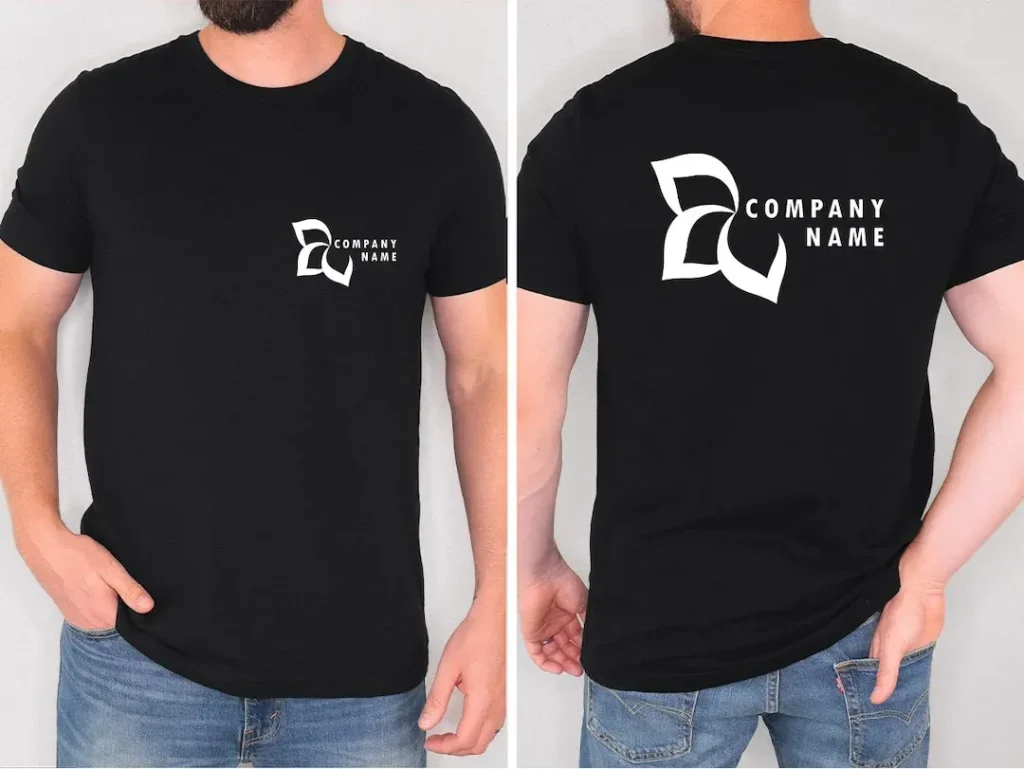
Branding with Custom Shirts is more than a wardrobe choice; it functions as a strategic tool to quietly reinforce your business identity in everyday moments, from client meetings to casual team huddles. This approach blends thoughtful execution with storytelling, showing how branded apparel strategies can extend your message beyond traditional ads, turning a simple garment into a recognizable extension of your brand. When a brand wraps its message around a garment, it becomes a moving ambassador for your values at events, in the workplace, and during every client interaction, leaving a tactile impression that lingers beyond meetings. A well-planned rollout ensures consistent brand visuals are visible across sleeves, chest logos, and colorways, helping audiences recognize your identity instantly and recall it in future engagements. Framing uniforms and apparel as strategic branding tools makes everyday workwear a portable touchpoint that communicates credibility, cohesion, and a shared sense of mission, while this approach also fuels organic referrals and word-of-mouth credibility.
Think of it as brand identity expressed through clothing, where logoed garments and corporate wear serve as portable brand ambassadors. By aligning apparel with your broader brand strategy, you leverage wearable branding to touch audiences at every touchpoint—conferences, visits, and everyday interactions. Coordinating apparel with digital assets, packaging, and retail visuals creates a cohesive brand ecosystem that reinforces recognition and trust. From logo placement on sleeves to color choices and fabric quality, the principle remains the same: high standards in apparel mirror high standards in service.
Understanding Custom Shirt Branding: How Shirts Amplify Your Brand Identity
Branding with Custom Shirts is more than apparel; it’s a deliberate extension of your business identity that can quietly reinforce your values in everyday moments. When you treat a garment as a communications tool, every shirt becomes a tangible signal of quality, consistency, and attention to detail. This is the essence of custom shirt branding: a practical way to project your story through color, typography, and logo placement while maintaining a cohesive look across teams and locations.
By approaching shirt design as a branding element, you create a mobile billboard that travels with your staff, partners, and customers. The strategic choice of fabrics, finishes, and print techniques communicates reliability and care, turning ordinary uniforms into ambassadors for your brand. This view frames branded apparel as a core component of your overall branding strategy, not merely a wardrobe accessory.
Maintaining Consistent Brand Visuals Across Every Shirt and Touchpoint
Consistent brand visuals are the backbone of recognizable identity. To achieve this, define a precise color palette, logo size, and placement rules that stay constant across all shirt styles. Whether a left-chest logo or a centered back graphic, consistent visuals ensure immediate recognition, especially at trade shows, client visits, or team gatherings where members from multiple departments interact with the public.
Typography, embroidery versus screen printing, and even the tone of any taglines should align with your brand voice. Document approved fonts, color codes, and printing methods, so regional teams and vendors can reproduce the look without drift. When consistency is embedded in the design and production process, every shirt reinforces the same brand narrative.
Uniform Apparel Branding: Aligning Teams with a Cohesive Brand Narrative
Uniform apparel branding is about more than sameness; it’s about a unified story told through every sleeve, seam, and stitch. A brand shirt kit—complete with color codes, logo guidelines, and print specs—helps designers, suppliers, and internal teams stay aligned. By standardizing templates and fits, you ensure that no matter who wears the shirt, the brand communicates a cohesive message.
Standardized sizing, consistent packaging, and clear onboarding on how to wear and present the shirts extend branding beyond the garment itself. Training reinforces the purpose of the uniforms, turning them into deliberate signals of professionalism and shared brand values. This disciplined approach supports reliable, uniform apparel branding across all locations and roles.
Branded Apparel Strategies: Designing for Impact and Longevity
Branded apparel strategies balance aesthetics with durability and cost-effectiveness. Treat shirts as a long-term investment that continuously supports marketing and internal culture. Thoughtful decisions about fabric quality, color fidelity, and print durability help ensure that your shirts remain legible and visually compelling after many washes, maximizing ongoing exposure.
A strategic approach also considers where and how shirts are worn—events, offices, remote teams, or client visits. Coordinating shirt launches with broader campaigns and keeping a scalable production plan enables your brand to adapt visuals across seasons while preserving core identity. This perspective elevates branded apparel from a one-off item to a reliable marketing and culture-building tool.
T-shirt Branding for Business: From Logo Placement to Color Psychology
T-shirt branding for business hinges on smart placement and deliberate color choices. Decide on the optimal logo location—left chest, center chest, or back—and document exact dimensions to prevent visual drift. Color choices should align with your palette to reinforce recognition and ensure legibility, even from a distance, on conference floors or on-the-go client visits.
Beyond visuals, messaging on shirts should be concise and aligned with brand voice. Typography matters for readability, especially in public settings where quick recognition is key. Balancing logo, taglines, and subtle branding elements creates a shirt that communicates professionalism while remaining approachable and on-brand.
Branding with Custom Shirts: Measuring ROI and Long-Term Brand Equity
Branding with Custom Shirts is a strategic investment that should be measured for impact. Track indicators such as brand recall at events, employee engagement, and customer encounters where shirt visuals influence perception. Durable materials and consistent application of branding signals contribute to a positive, long-term impression of your brand.
Implement a practical evaluation framework: run pilots, gather feedback from staff and clients, and monitor metrics like reach, engagement, and perception shifts over time. Use these insights to refine design rules, print methods, and deployment plans, ensuring your custom shirts continually contribute to brand equity and the perceived professionalism of your business.
Frequently Asked Questions
What is branding with custom shirts and why is it a smart element of your branded apparel strategies?
Branding with custom shirts is a strategic tool that quietly reinforces your business identity in everyday moments. This custom shirt branding turns garments into moving brand ambassadors, exposing your logo, color palette, and values wherever people work, meet clients, or travel. By aligning shirts with your brand visuals, you create consistent messaging across channels and boost recall at a relatively low cost.
How can you ensure consistent brand visuals through uniform apparel branding across your team?
To maintain consistent brand visuals through uniform apparel branding, create a brand shirt kit with approved color codes, typography, logo usage, and print specs. Use a small set of shirt templates and standardized logo placement to minimize deviations across teams and events. Regular audits and supplier reviews help ensure ongoing quality and alignment with your brand guidelines.
What are the essential elements of successful custom shirt branding for business?
Key elements of successful custom shirt branding for business include clear design rules (logo placement, color palette, typography), choice of materials and print methods, and a balanced messaging approach. Document approved fabrics, finishes, and printing techniques to maintain uniform quality. Consider sustainability and accessibility to keep branding credible and inclusive.
What steps should you take to roll out branding with custom shirts across employees using a practical plan?
Steps to rollout branding with custom shirts: define your brand shirt brief aligned with audience and channel goals; set design rules for logo placement, color palette, typography, and print method; source responsibly and request proofs; run a pilot to test fit and durability; then roll out with phased deployment and ongoing updates to your brand kit.
How can you measure the impact of t-shirt branding for business on brand recognition and employee engagement?
Measuring the impact of t-shirt branding for business involves tracking brand recognition, employee engagement, and customer encounters at events. Use surveys, recall tests, and feedback from partners; monitor garment durability and colorfastness over washes; analyze ROI by comparing exposure against costs.
What common pitfalls should you avoid to maintain a strong brand image with custom shirts in your branding strategy?
Common pitfalls to avoid in branding with custom shirts include inconsistent logo scaling, poor fabric choices, overcrowded messaging, and neglecting accessibility or wash durability. Establish strict logo size guidelines, choose high-quality materials, keep copy concise, and ensure color contrast meets accessibility standards.
| Topic | Key Points |
|---|---|
| Purpose | Branding with Custom Shirts extends the brand promise into everyday moments, turning garments into moving brand assets and reinforcing identity through tangible messages. |
| Why it matters | Consistency across channels; increased brand recall; stronger employee engagement; cost-effective ongoing exposure; professional perception. |
| Key elements of consistent visuals | Logo placement and size; defined color palette; typography choices; materials and print methods; balance between image and messaging. |
| Designing for uniform branding across teams | Brand shirt kit with guidelines; a small set of reusable templates; standardized sizing; branded packaging/tags; staff and partner training. |
| From concept to wardrobe: practical steps | 1) Define the brand shirt brief; 2) Set design rules; 3) Source responsibly; 4) Pilot before scaling; 5) Roll out with a plan; 6) Measure impact and iterate. |
| Integration with broader branding | Shirt branding should complement other channels; coordinate with digital campaigns, packaging, and in-store visuals; align messaging and visuals across shirts, banners, and social assets to create a cohesive ecosystem. |
| Common pitfalls | Inconsistent logo scaling; poor fabric choices; too much copy; ignoring maintenance; neglecting accessibility. |
| Measuring success & long-term value | Brand recognition in worn markets; employee engagement; customer recall at events; durability and colorfastness; partner feedback on professionalism. |
| Case in point | Branded shirts adapt well to varied contexts, balancing bold and conservative approaches while preserving core visuals and brand identity. |